LE BANQUET
Philosophical salon

Cultural partnerships

Conferences, encounters and external events.

October 8, 2026
Marc de Launay

Musée Jacquemart-André

Éternal Tintoretto

Painting and philosophy

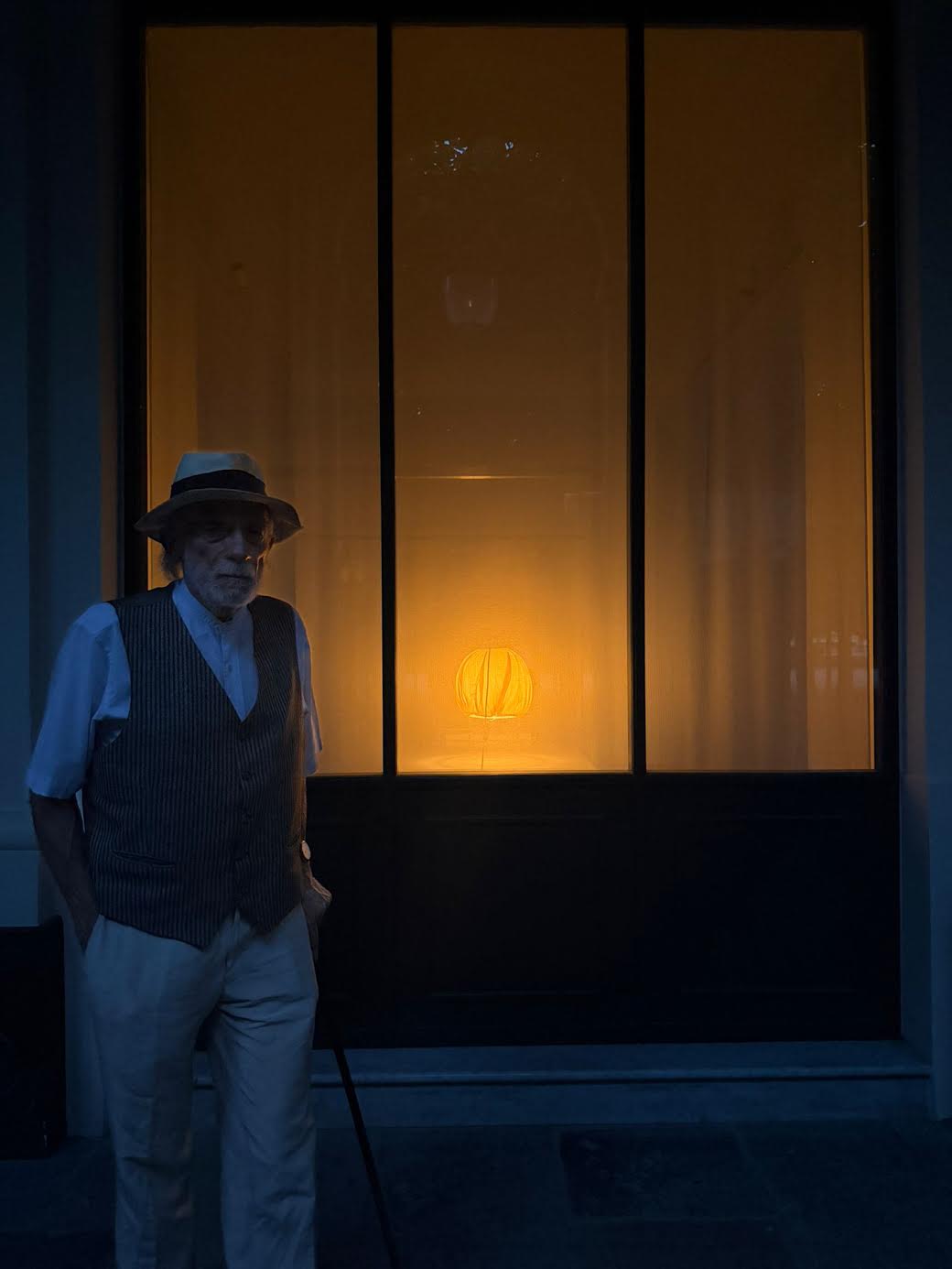
Portrait: Marc de Launay
Marc de Launay
Biography

A philosopher and researcher at the CNRS, Marc de Launay is one of France’s leading specialists on Nietzsche. He directs the edition of the philosopher’s works in the Bibliothèque de la Pléiade and devotes his research to hermeneutics, the philosophy of language, and the relationship between art and thought.

In his essay Painting and Philosophy, Marc de Launay argues that works of art are not mere aesthetic objects, but genuine places of thought. Far from illustrating concepts, they open a singular way of understanding the world, inviting the viewer to become an interpreter in turn.

On the occasion of the exhibition Éternal Tintoretto at the Musée Jacquemart-André, Marc de Launay will offer a philosophical reading of several major works by the Venetian painter. An invitation to rediscover Tintoretto not only as a master of the Renaissance, but as an artist whose inventive power, pictorial freedom and modernity continue to question our gaze today.

Works of art are not mere aesthetic objects, but genuine places of thought.

Paintings in the exhibition
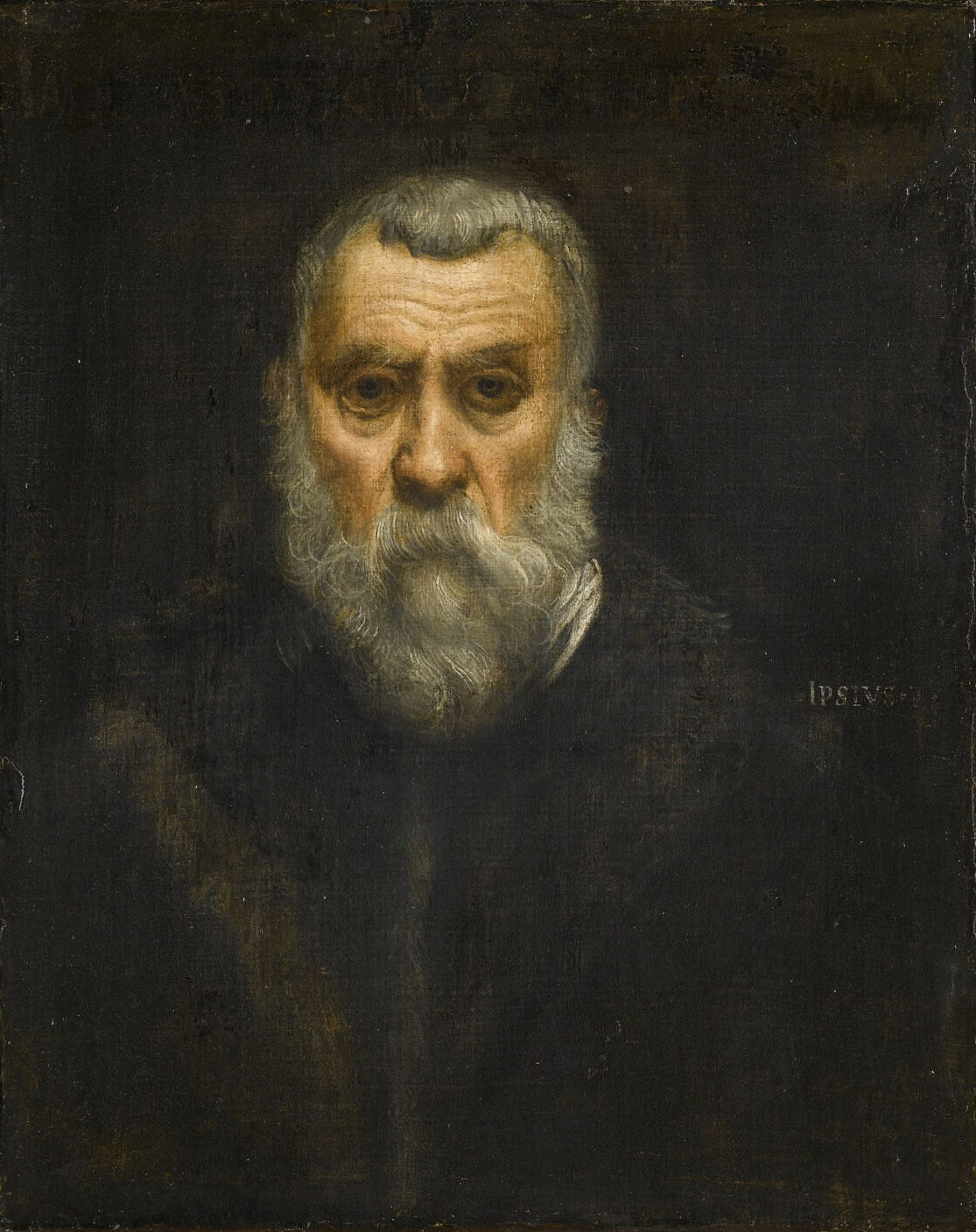
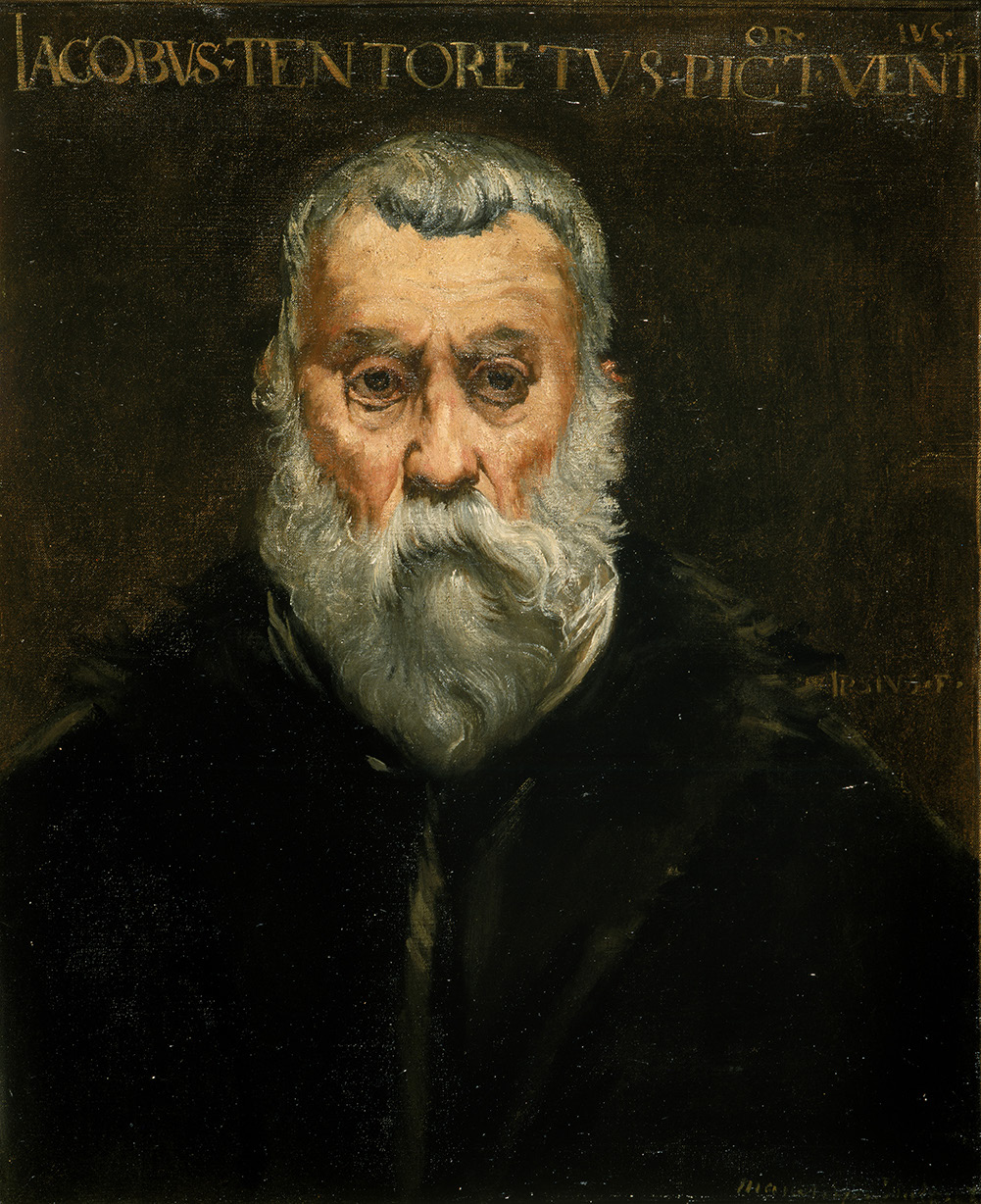
Tintoret, Autoportrait, vers 1588, huile sur toile, Paris, Musée du Louvre
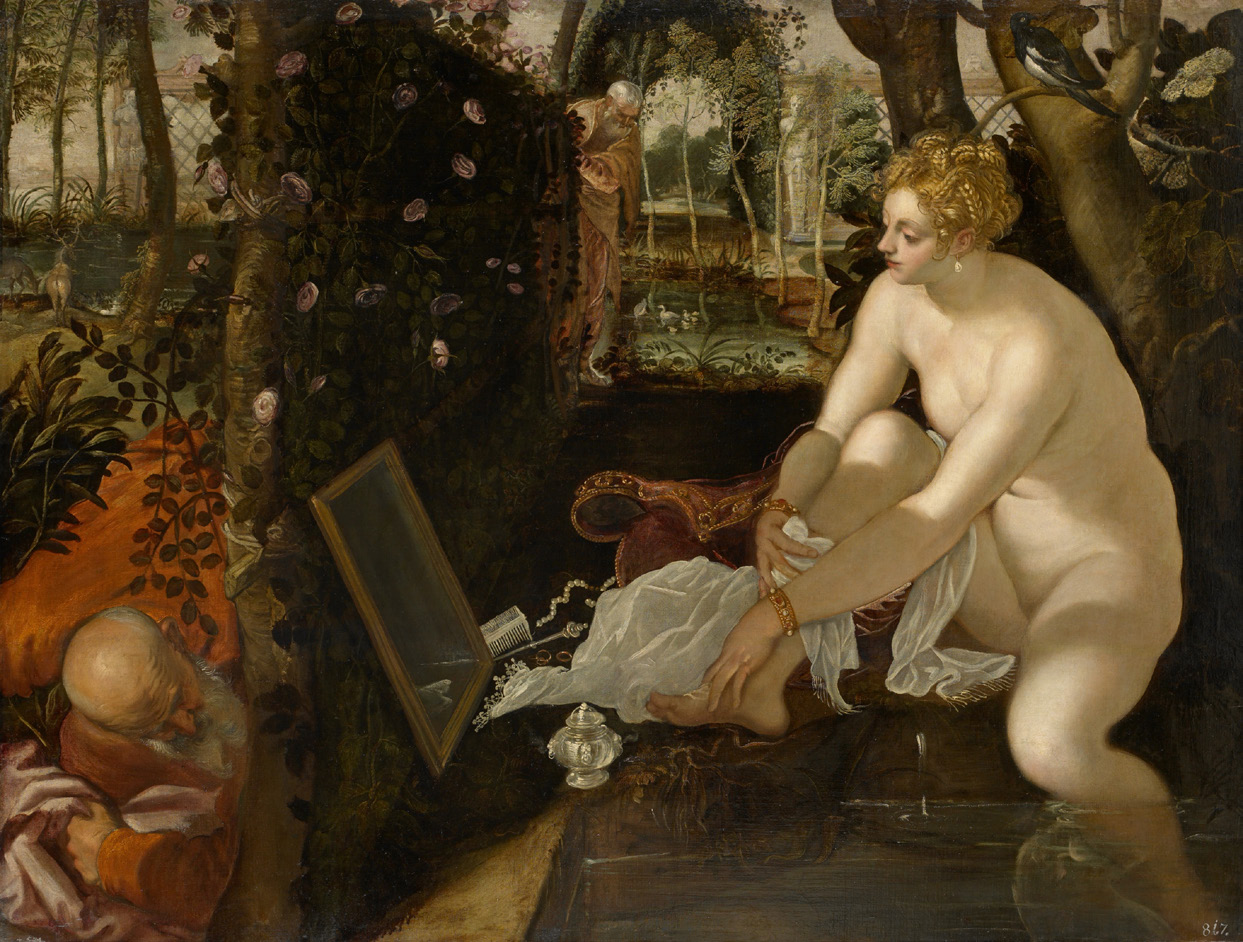
Tintoret, Suzanne et les vieillards, vers 1555-1556, Vienne, Kunsthistorisches Museum
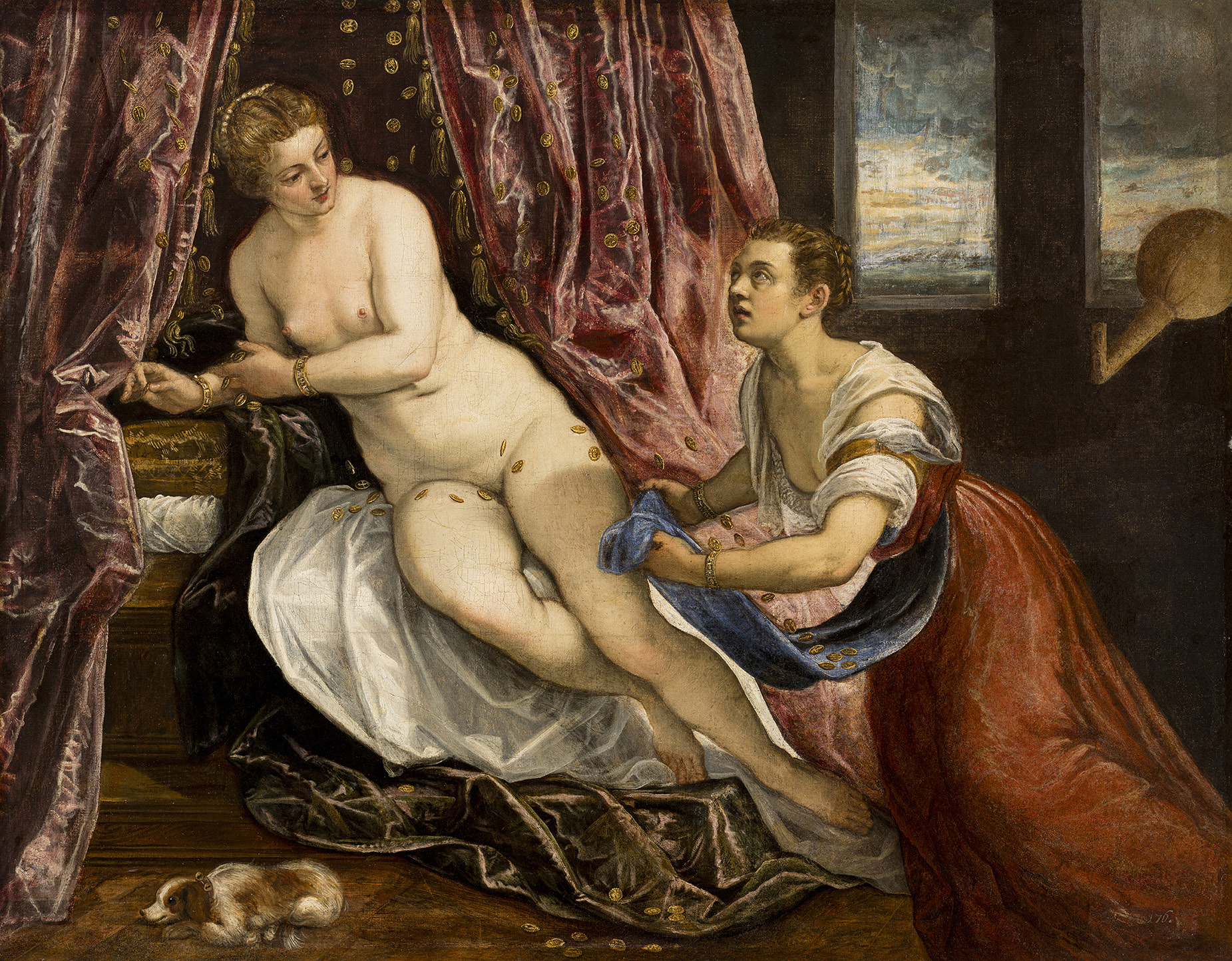
Tintoret, Danaé, vers 1570-1583, Lyon, Musée des Beaux-Arts
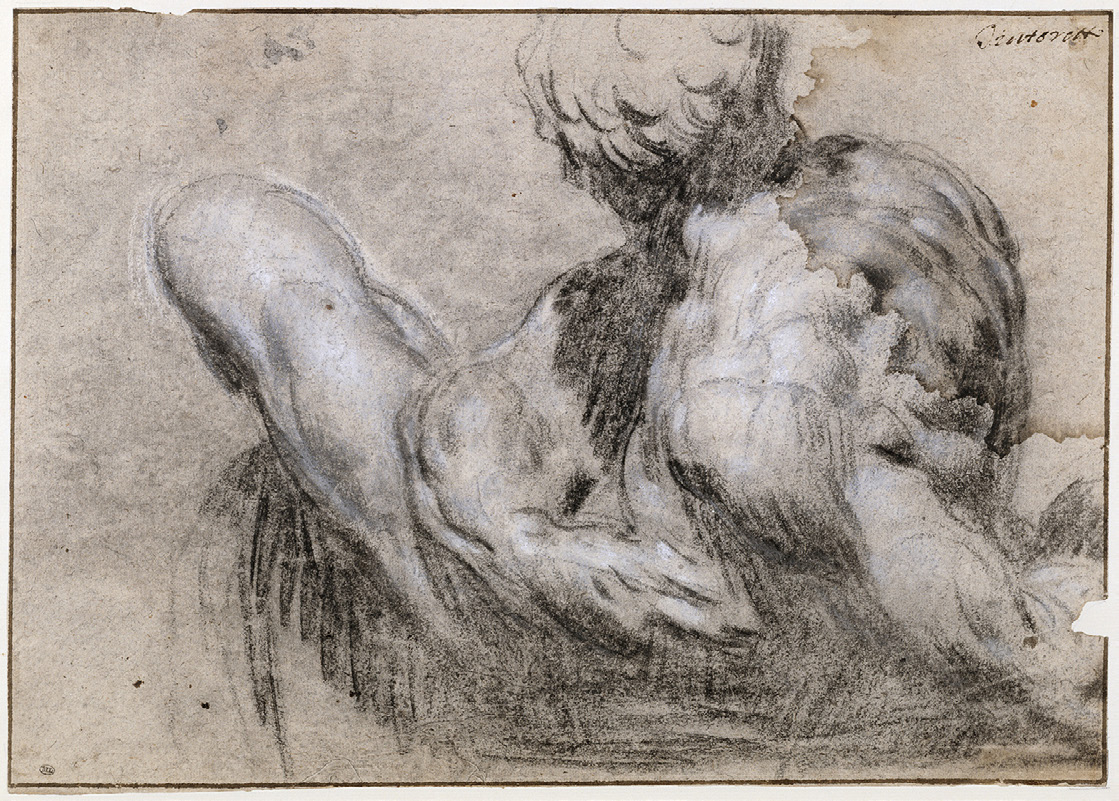
Tintoret, Étude d’après un moulage de la sculpture de Michel-Ange dite « Le Jour », Paris, Musée du Louvre
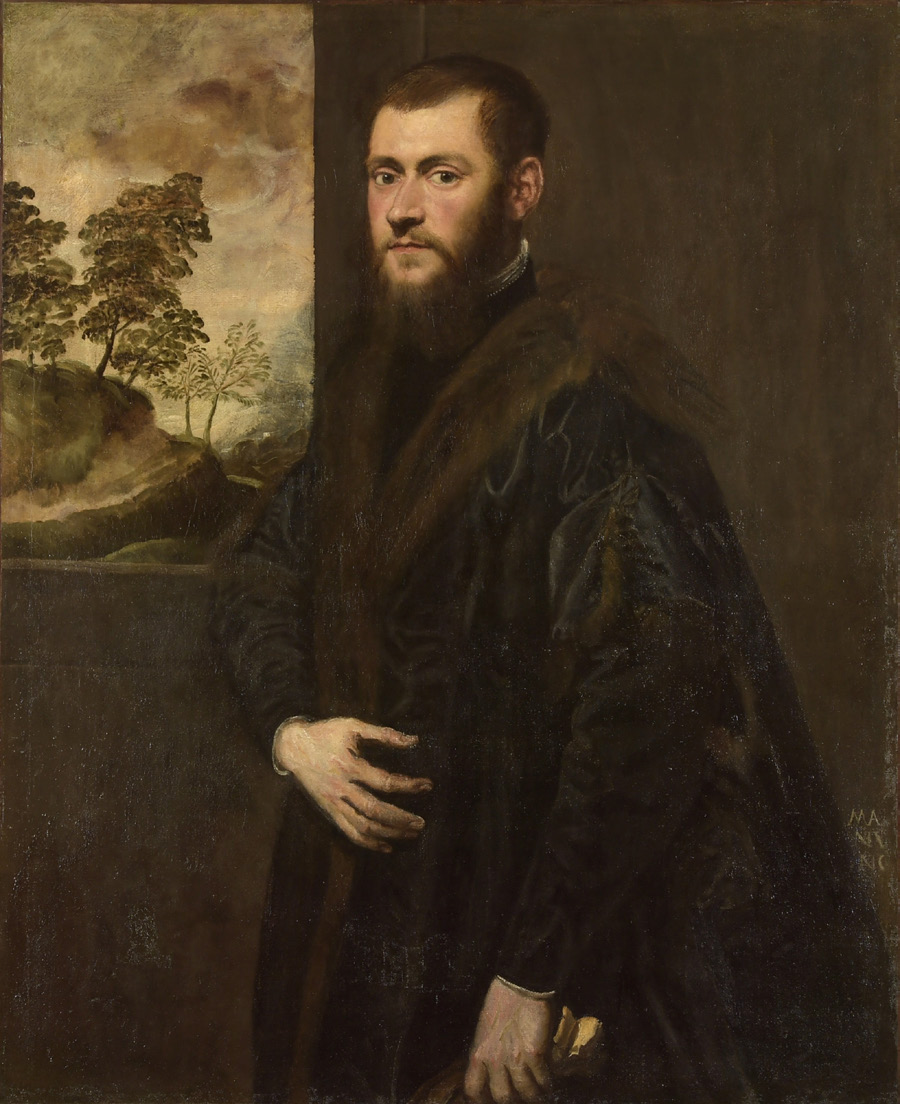
Tintoret, Portrait d’homme, vers 1548, Besançon, musée des Beaux-arts et d’Archéologie
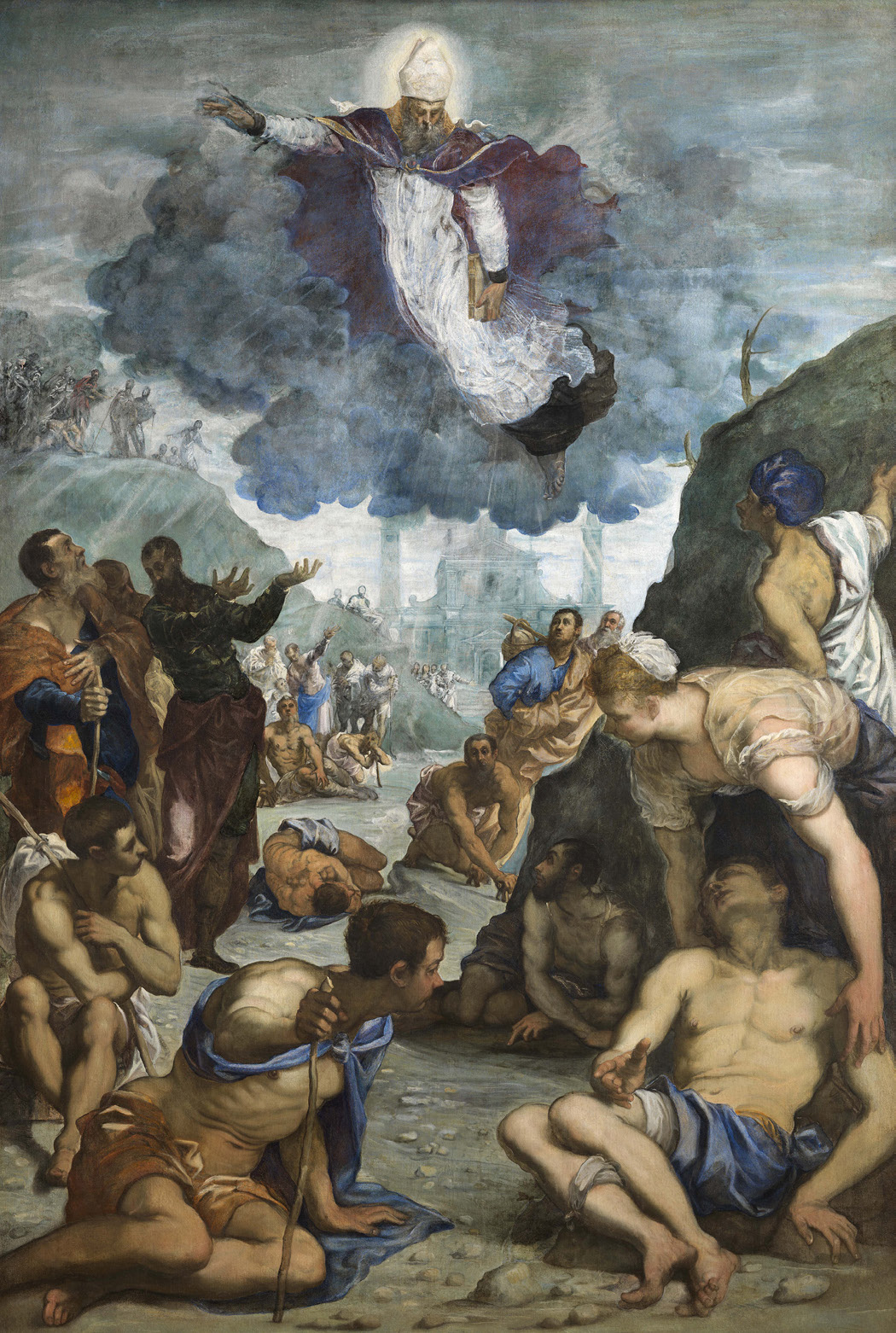
Tintoret, Le Miracle de saint Augustin, 1547-1549, Vicence, Musei Civici di Vicenza
Édouard Manet, Copie de l’Autoportrait du Tintoret, 1854, Dijon, Musée des Beaux-Arts
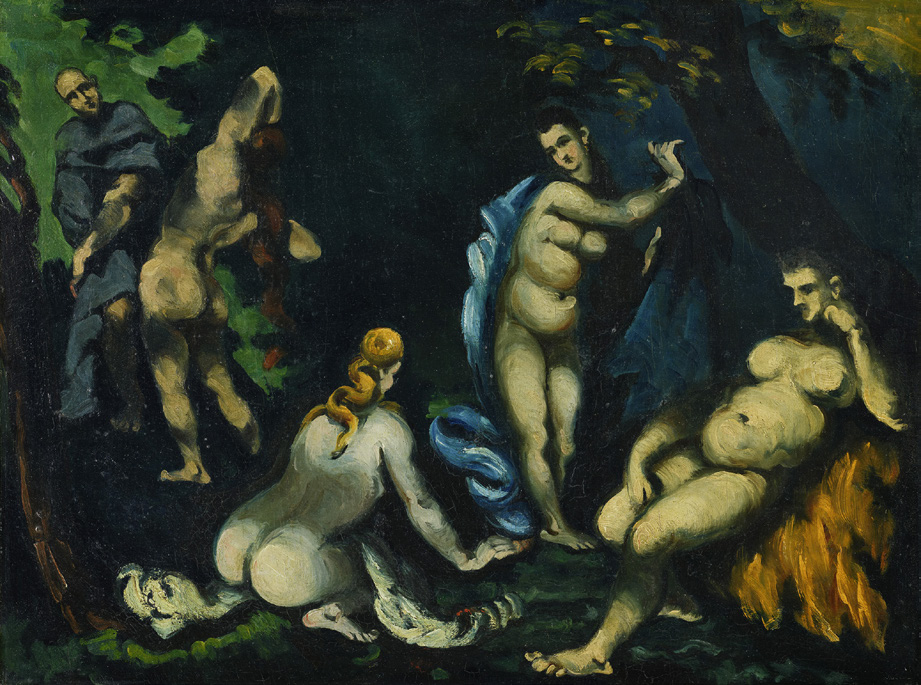
Paul Cézanne, La Tentation de saint Antoine, vers 1870, Zurich, Kunsthaus Zürich
1 / 8

Tintoret, Autoportrait, vers 1588, huile sur toile, Paris, Musée du Louvre

March
Patrick Liégeois

Musée Jacquemart-André

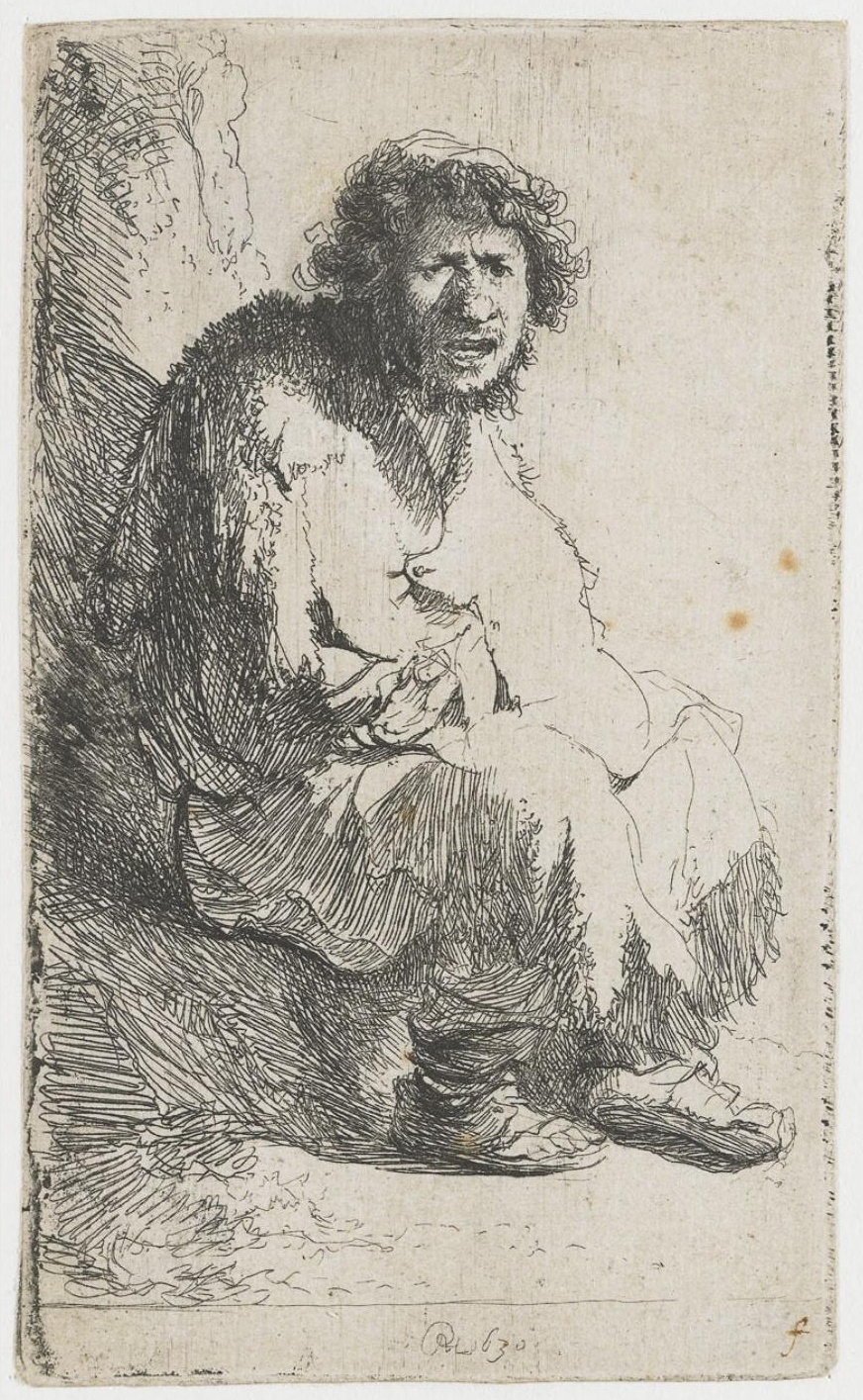
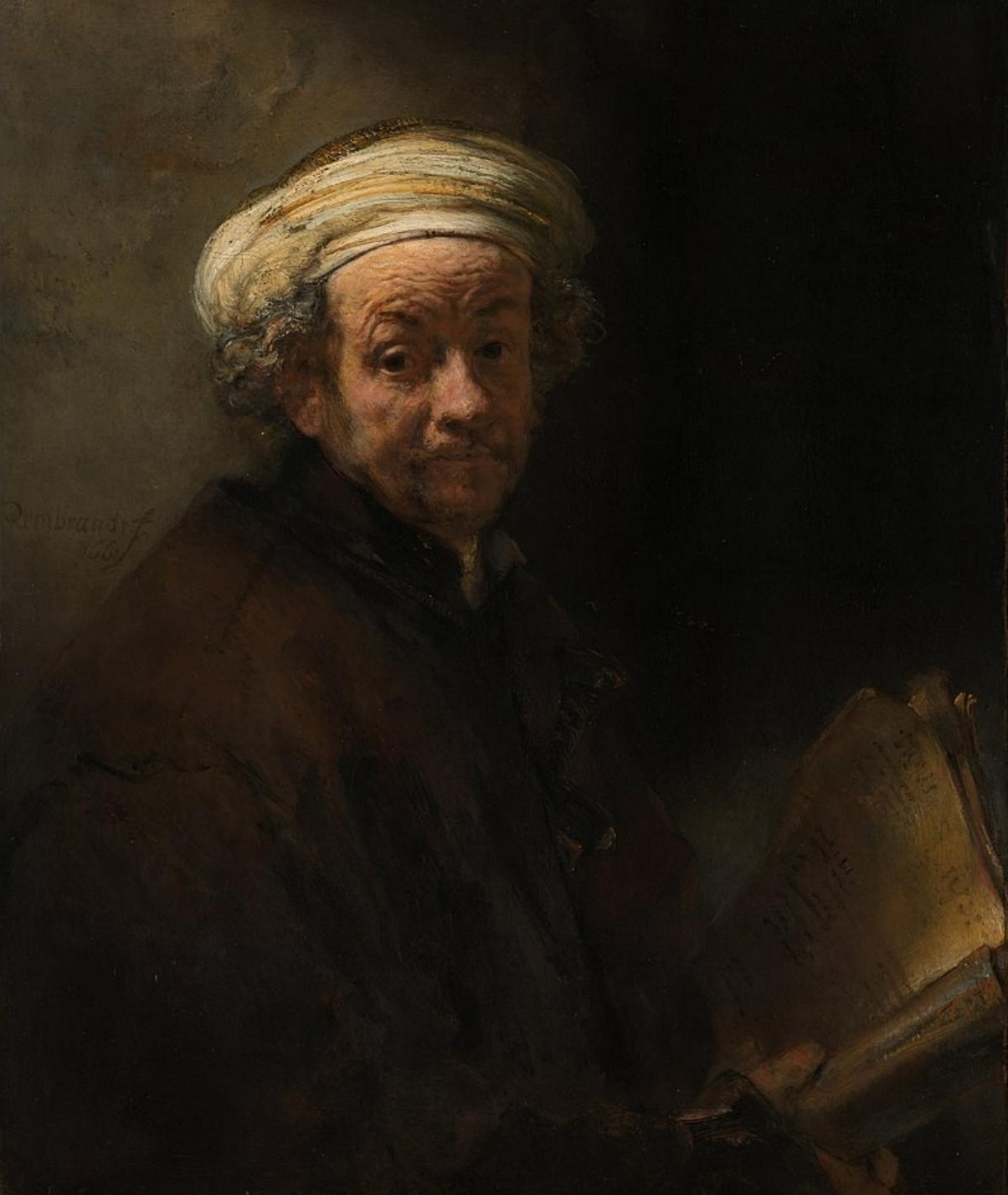
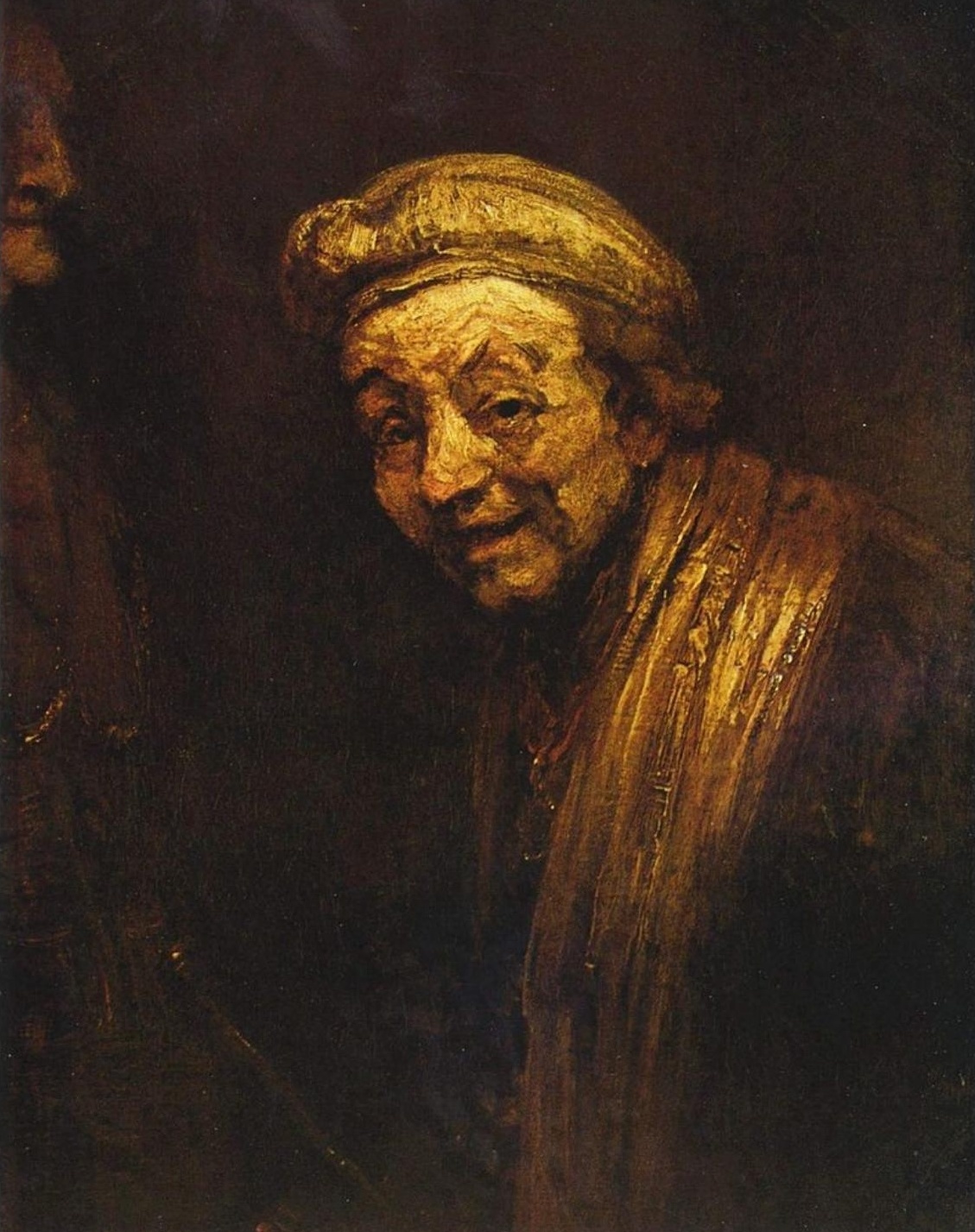
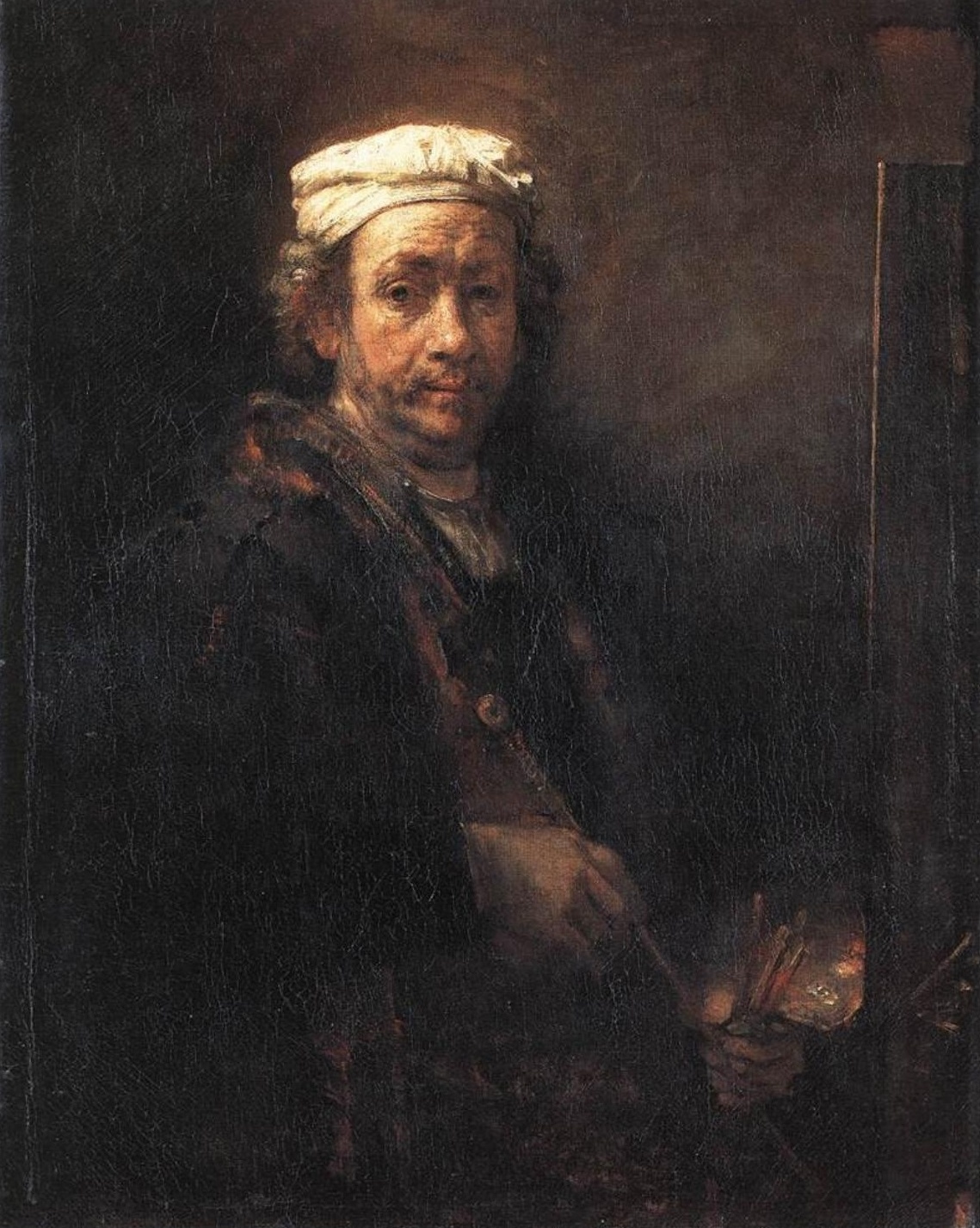
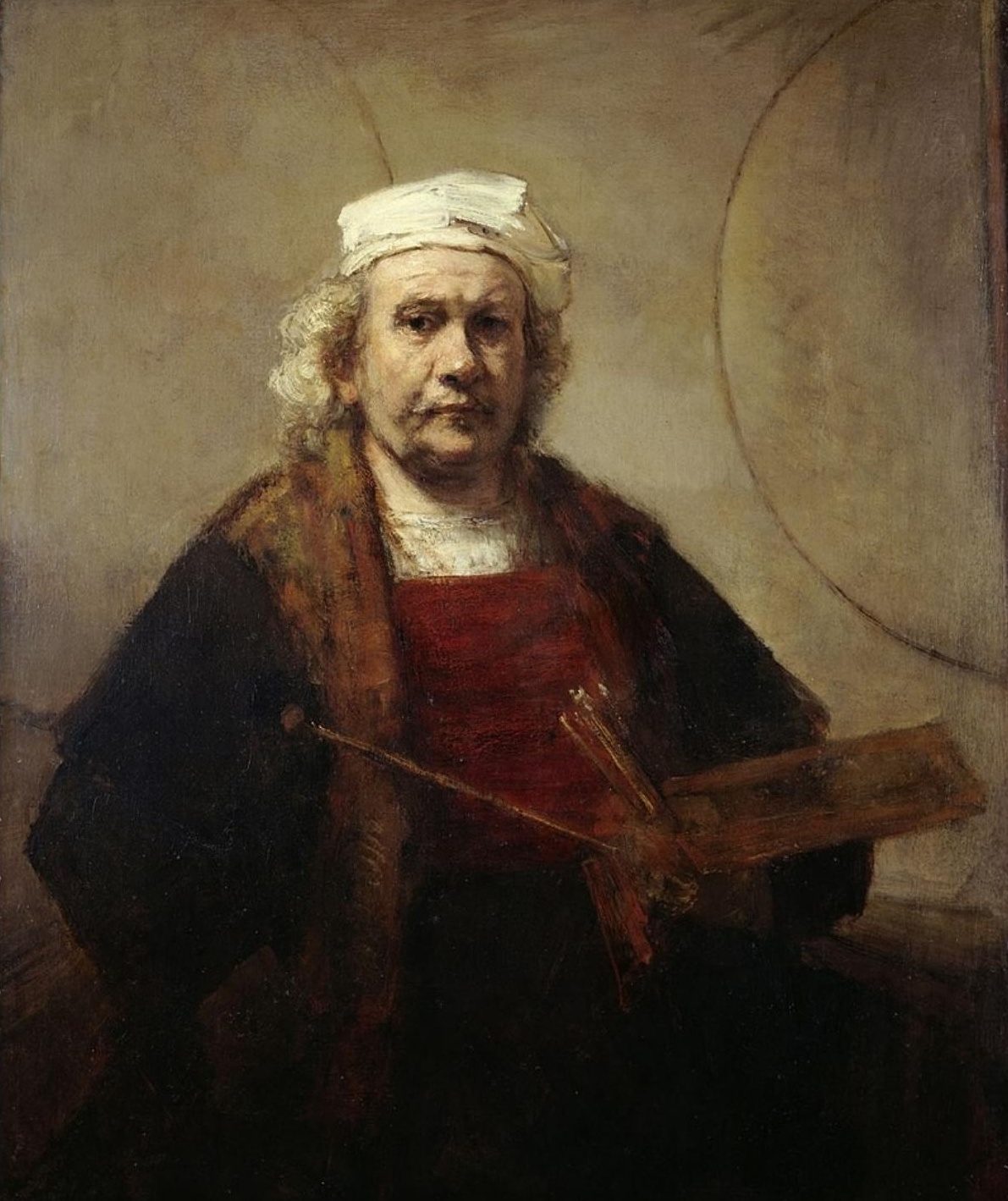
Rembrandt, philosopher of the brush

Should art represent beauty, or reveal truth?

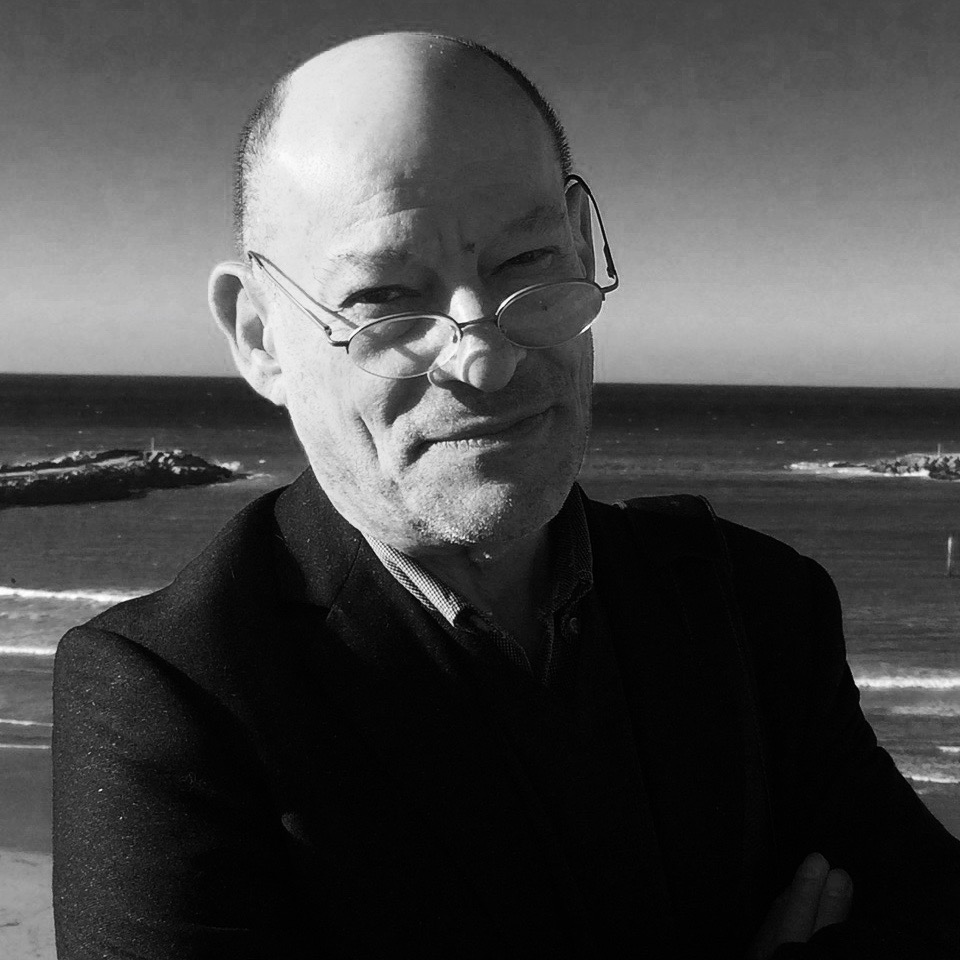
Portrait: Patrick Liégeois
Patrick Liégeois
Biography

Doctor of philosophy from the Université Paris-Sorbonne, Patrick Liégeois has devoted most of his career to teaching philosophy to future magistrates. His research, initially focused on Heidegger and the question of meaning, led him to explore Rembrandt’s work in a new light.

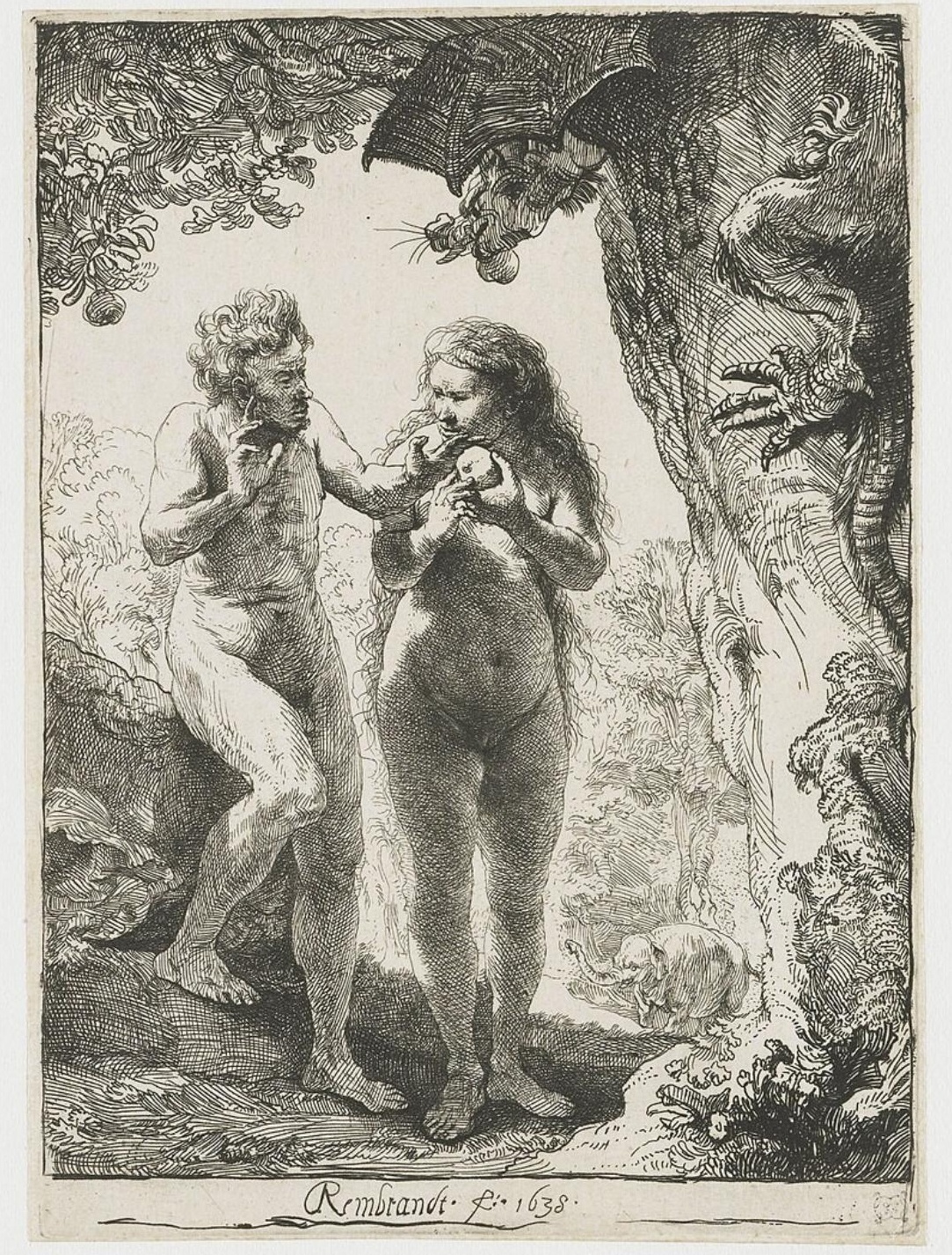
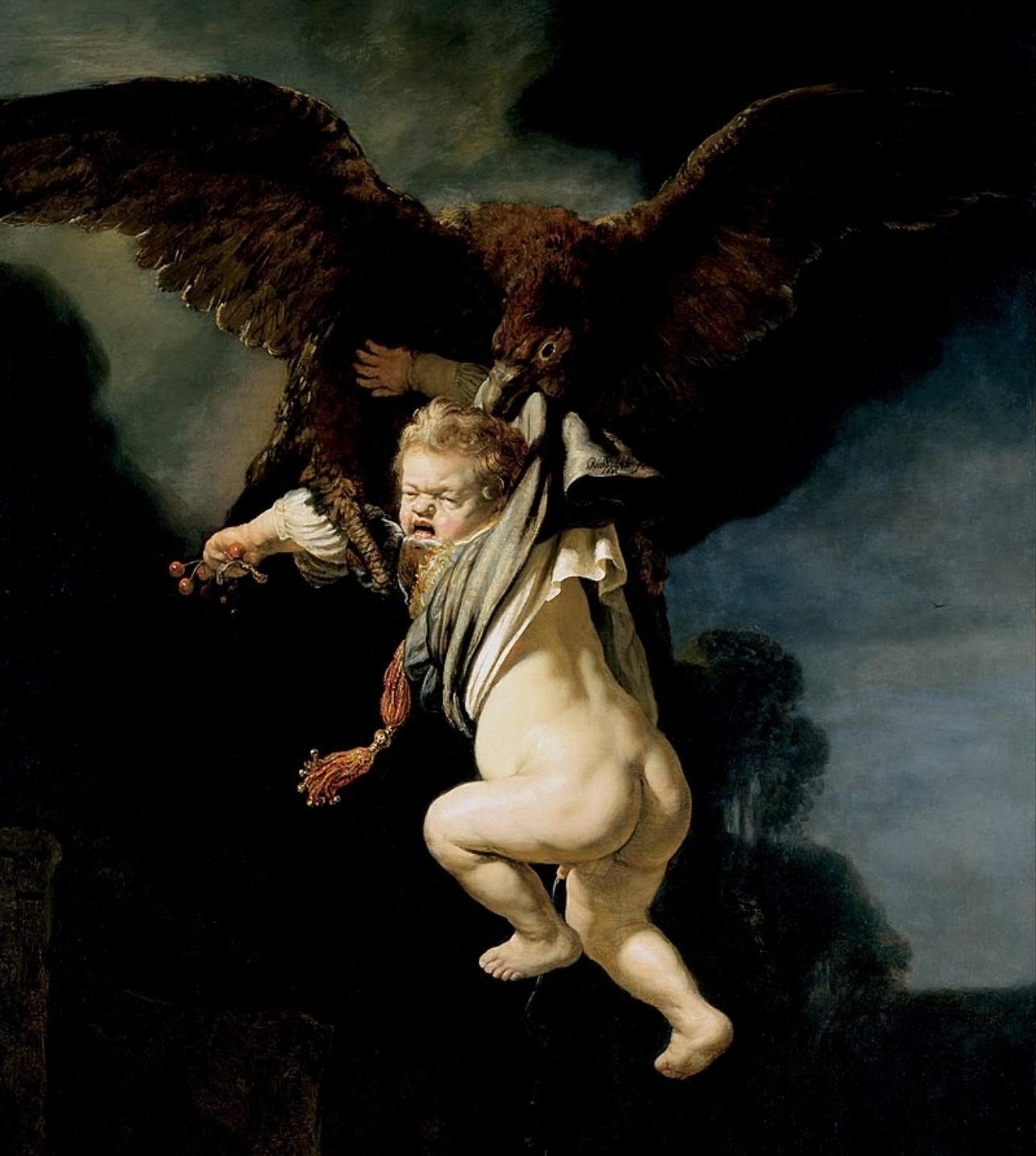
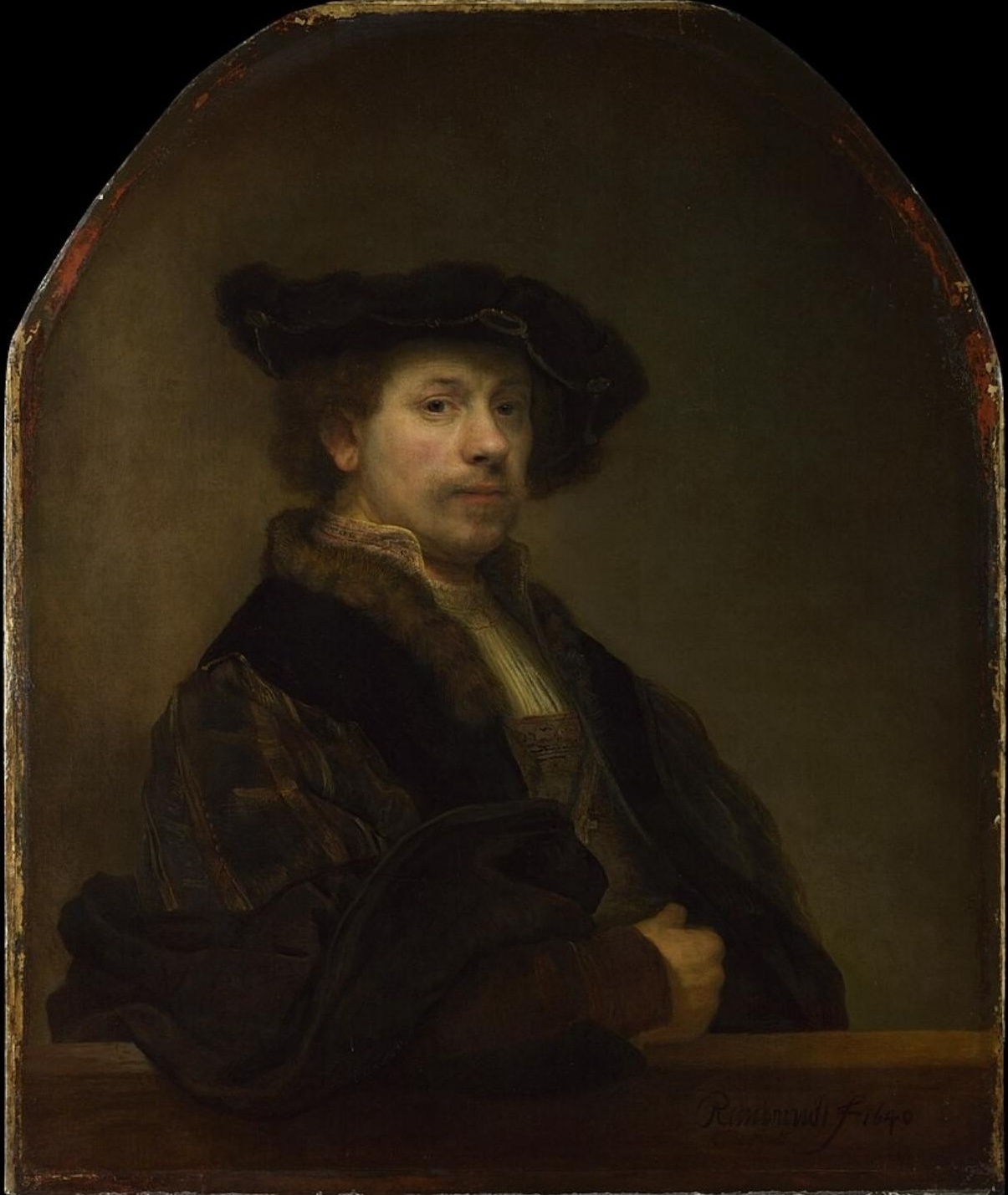
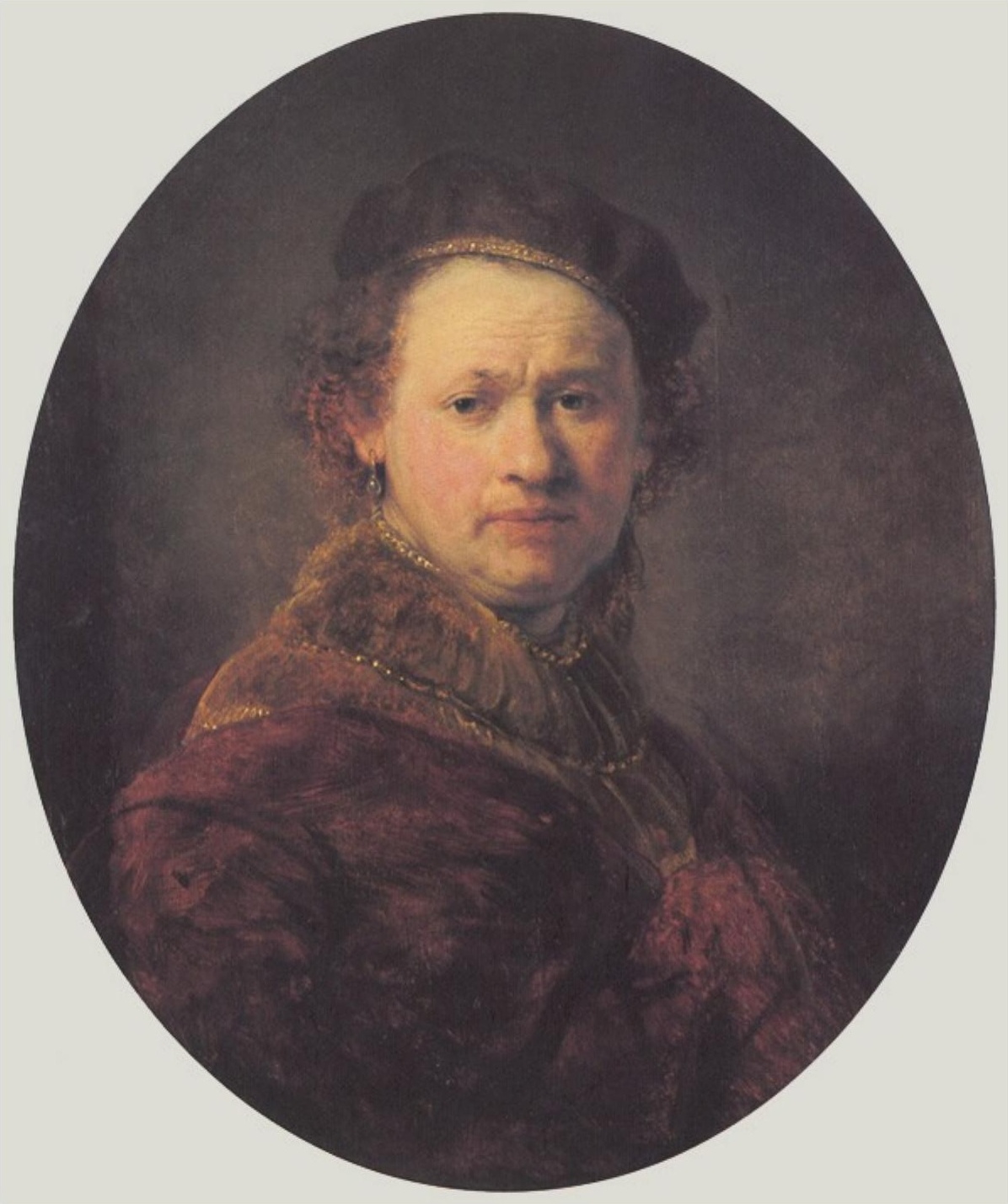
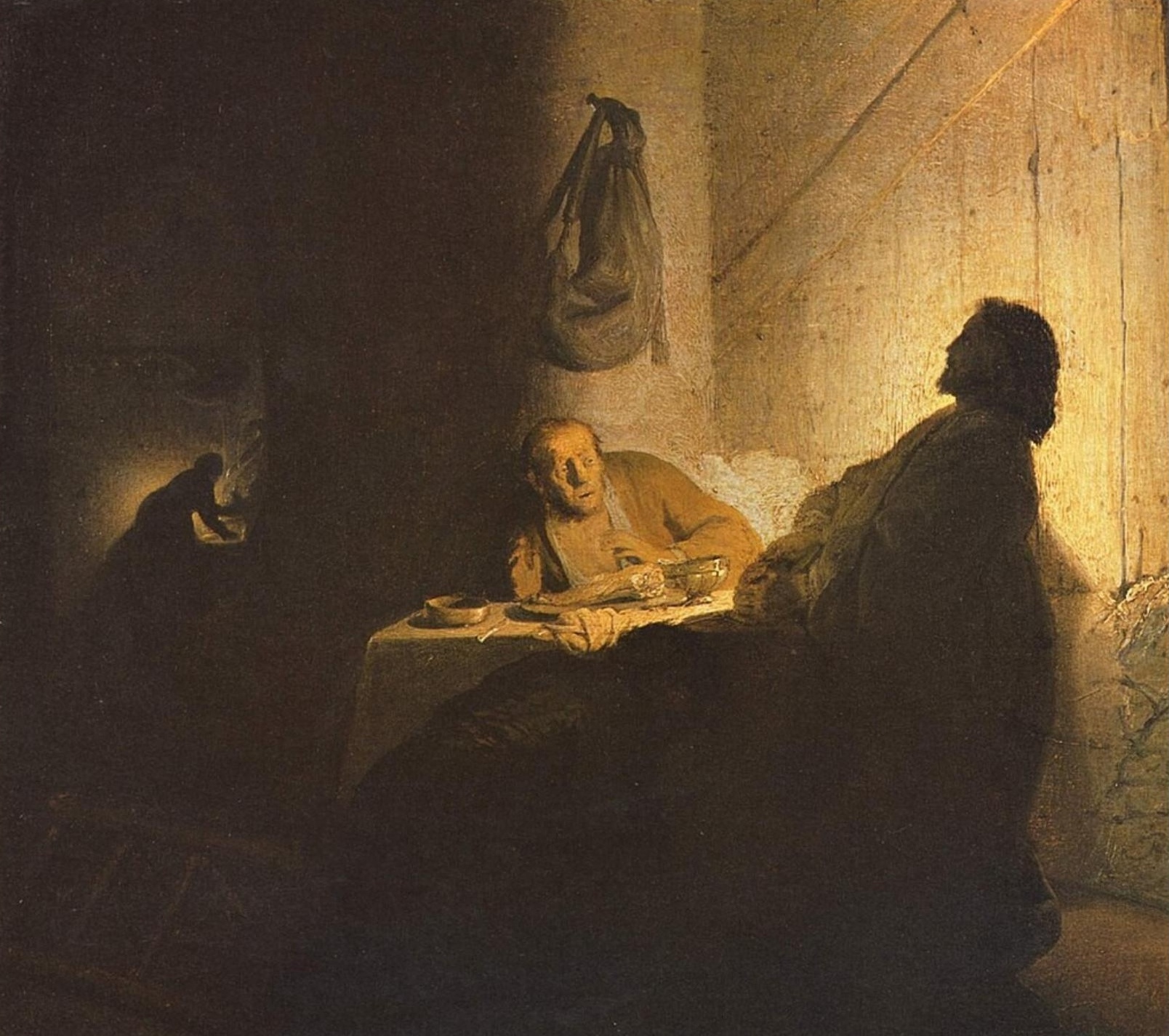
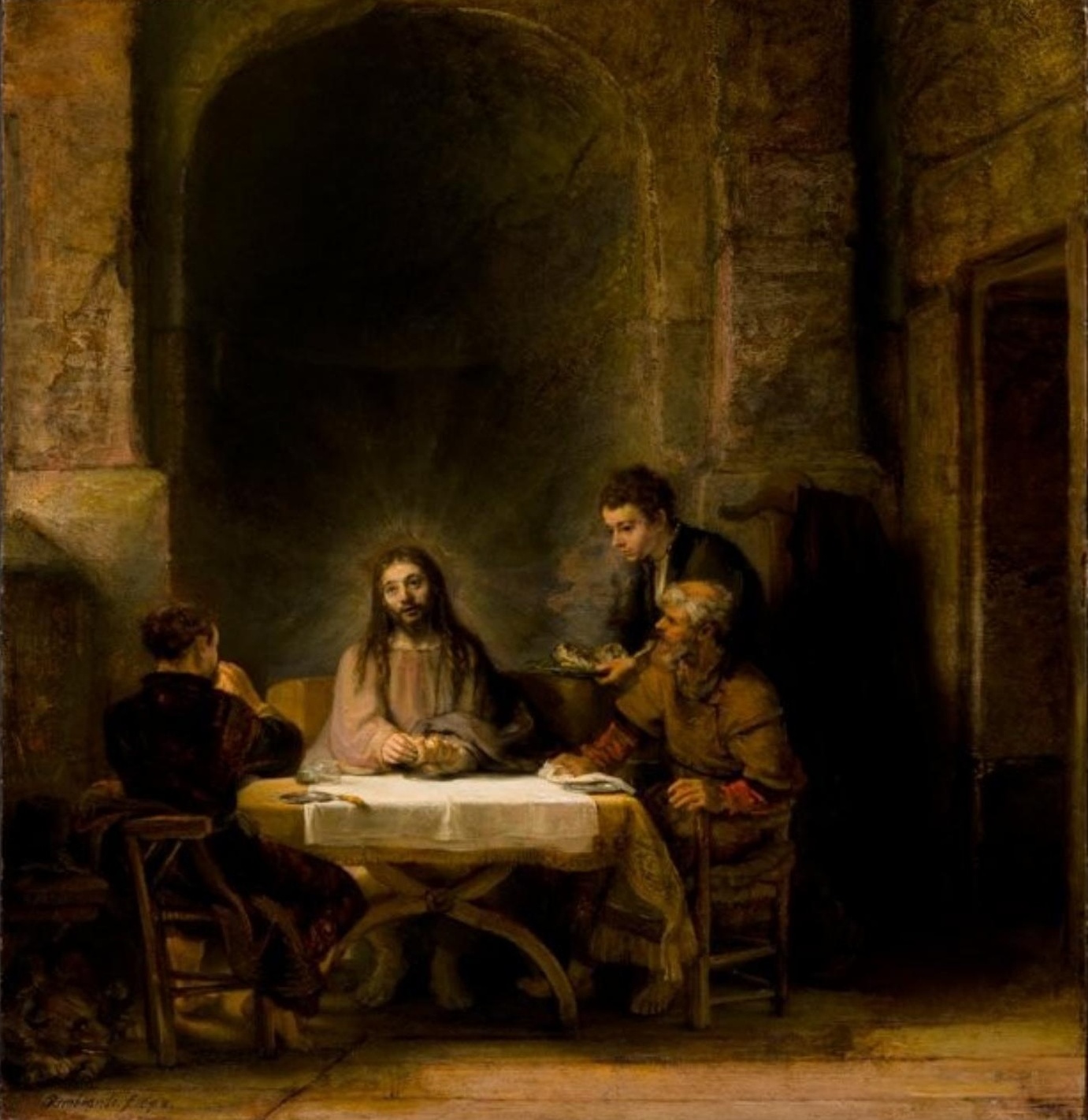
In his essay Rembrandt, philosopher of the brush, he shows how the painter frees himself from conventions, the ideal of beauty and exact representation, to make painting a space of unveiling. Rembrandt no longer simply seeks to represent what is visible: he lets the inner truth of beings appear.

At the crossroads of philosophy and art history, Patrick Liégeois thus invites us to look differently: no longer merely to understand what the artist wanted to say, but to listen to what the work itself lets us hear.

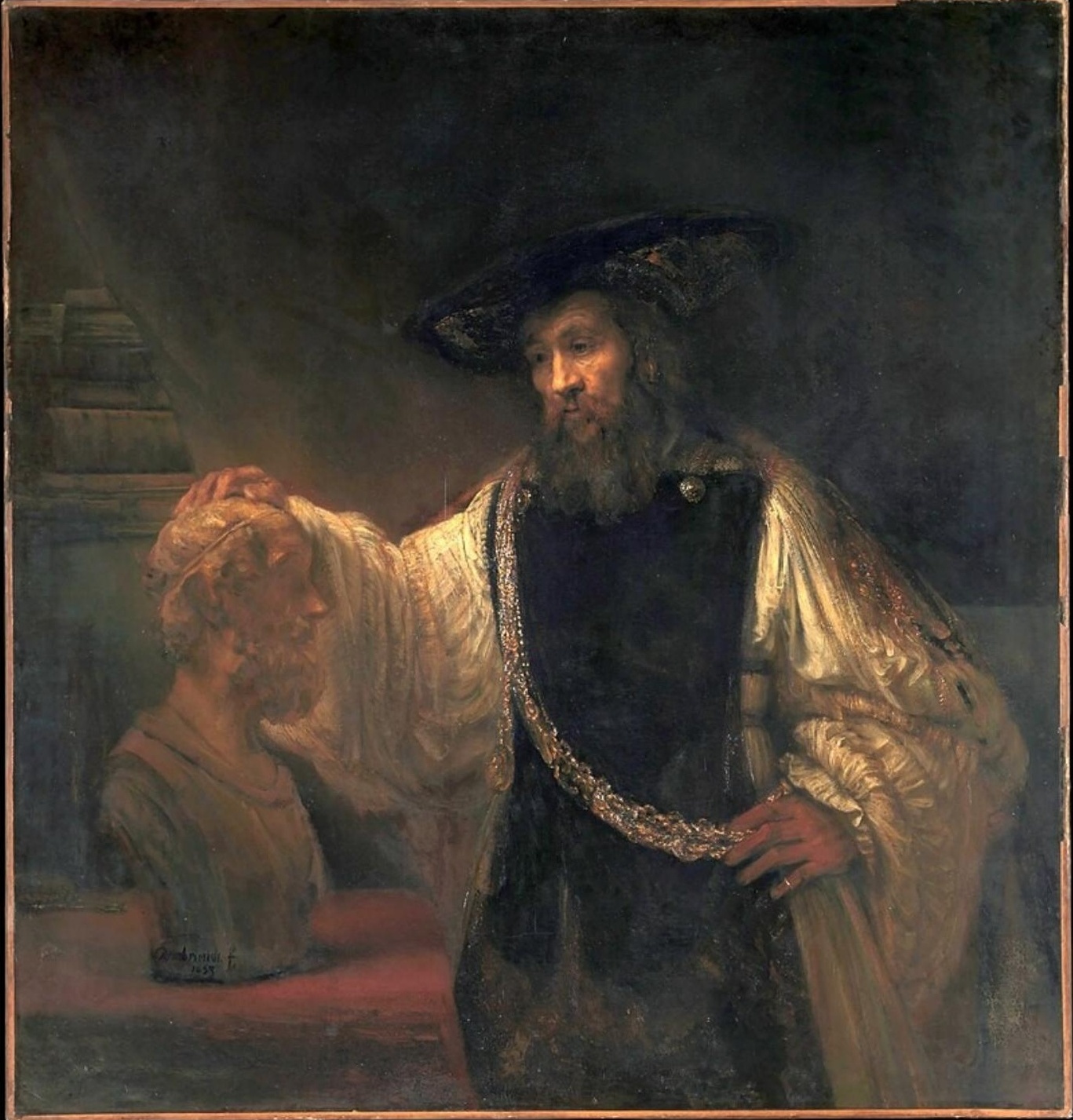
Visual: Rembrandt, philosopher of the brush

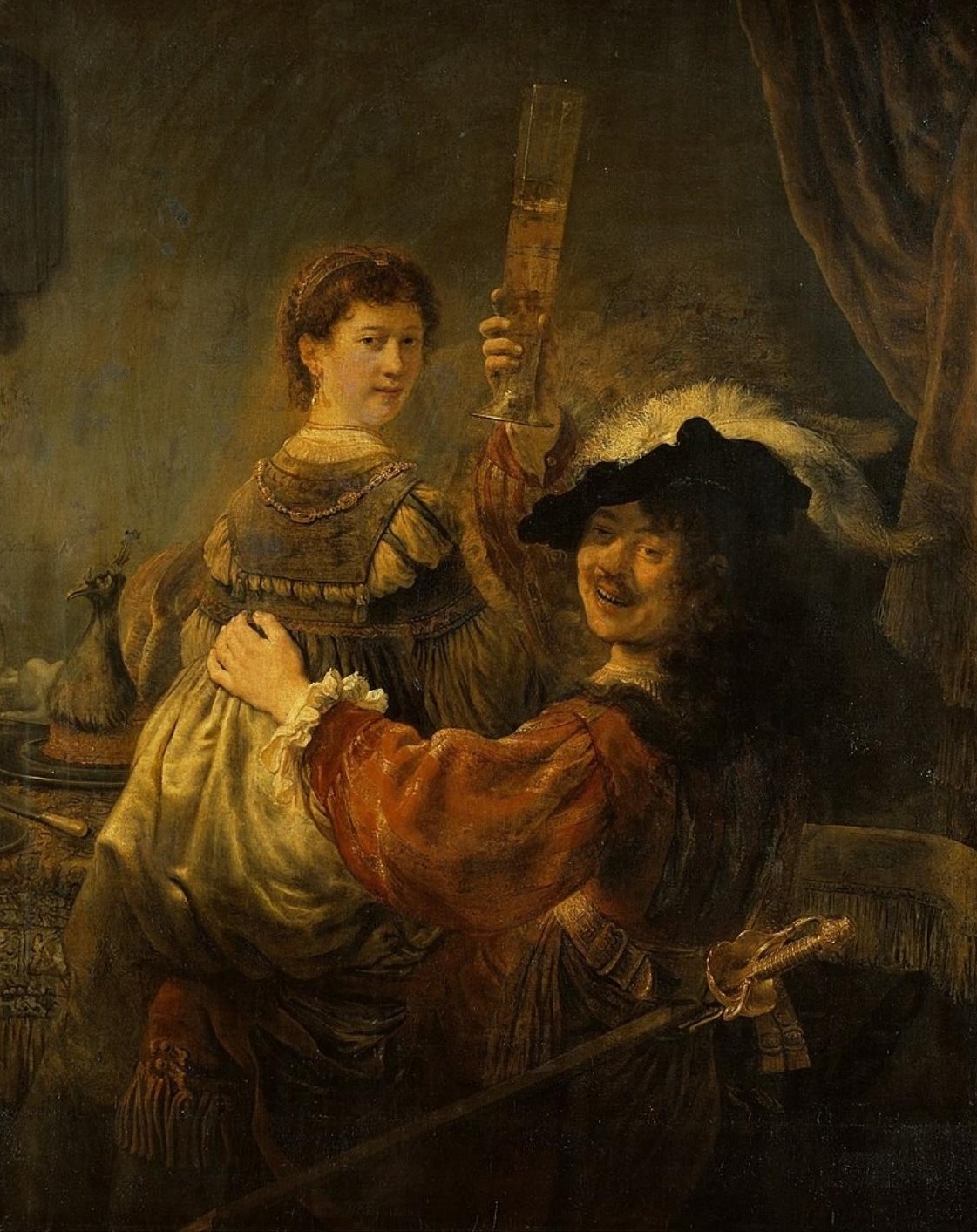
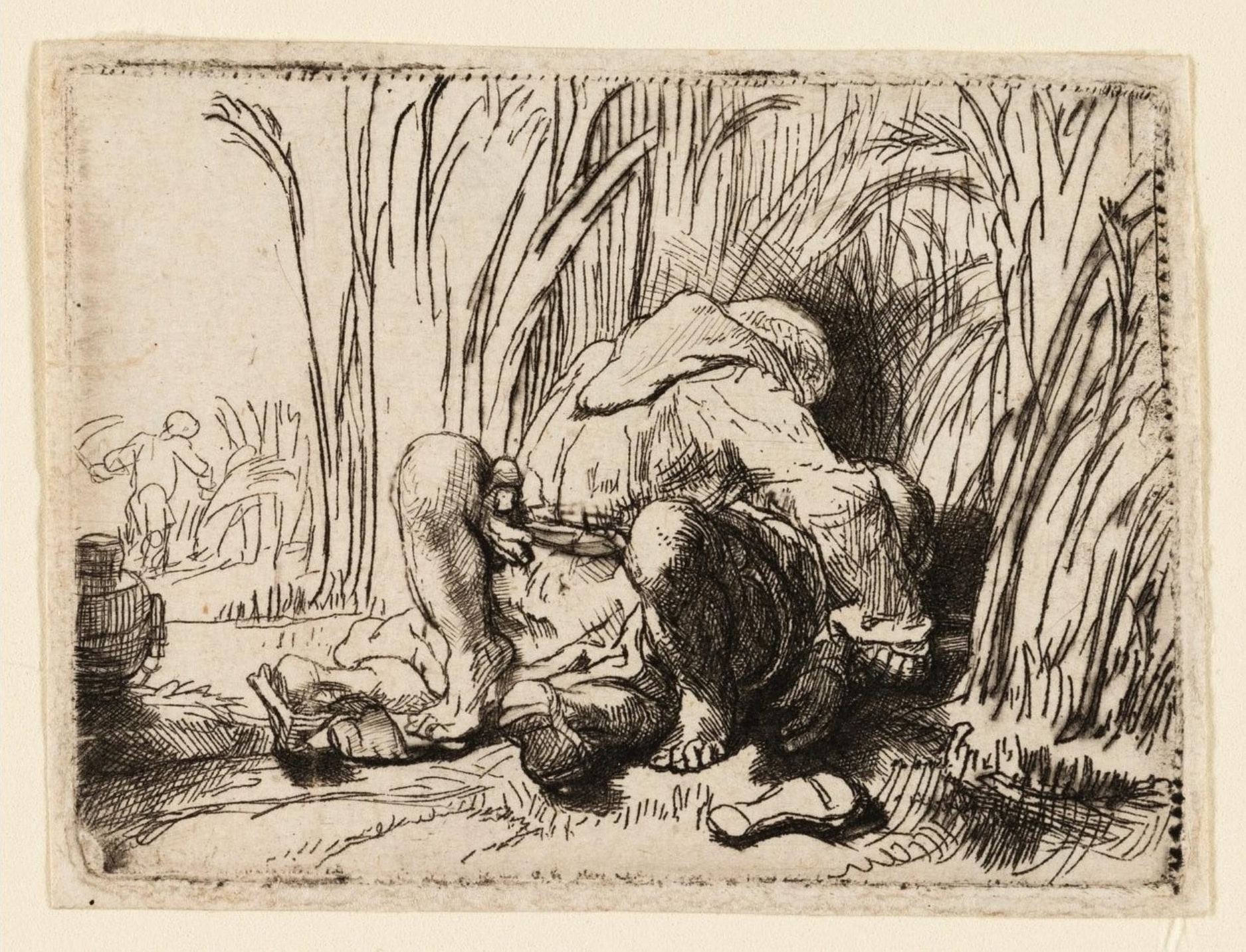
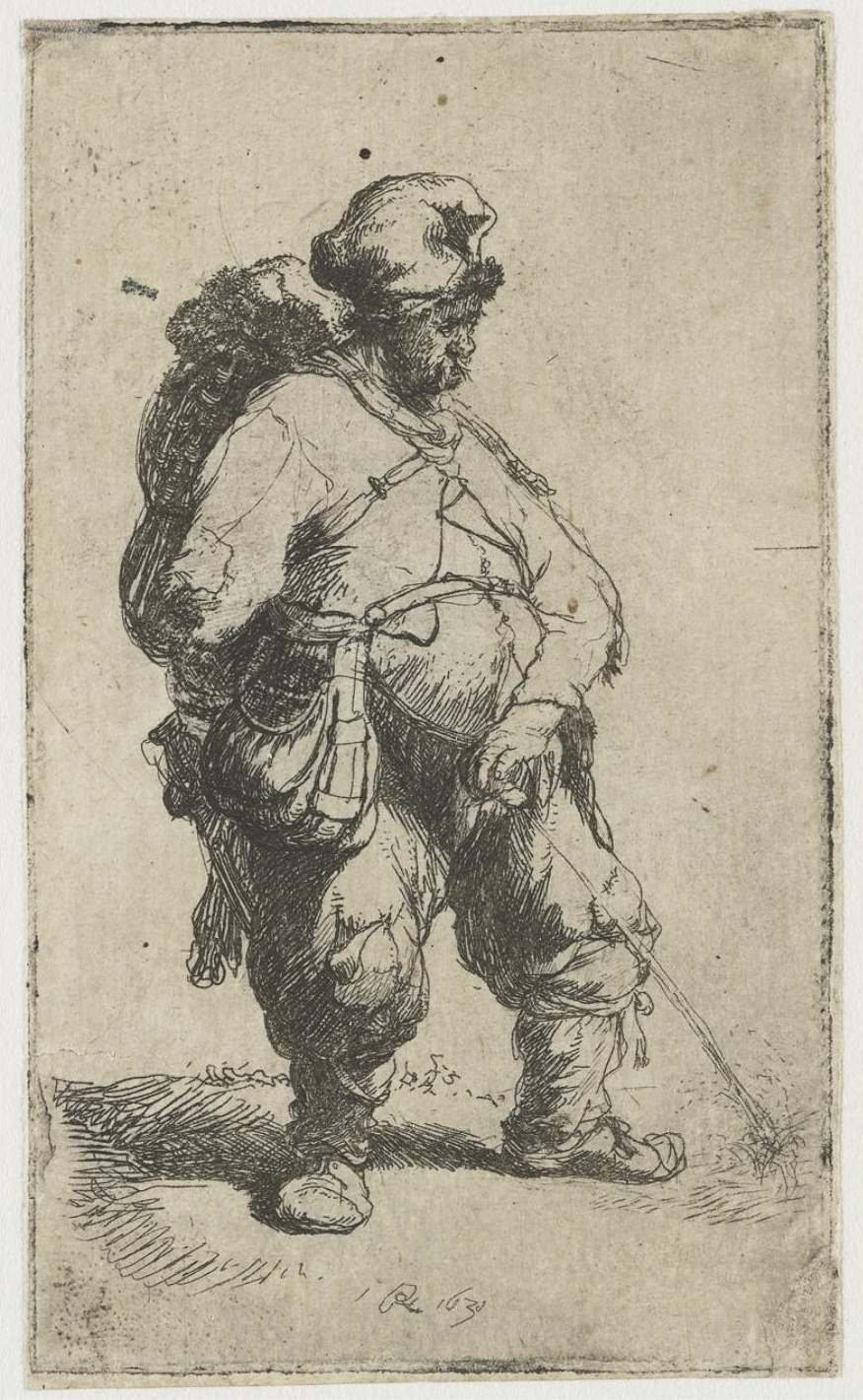
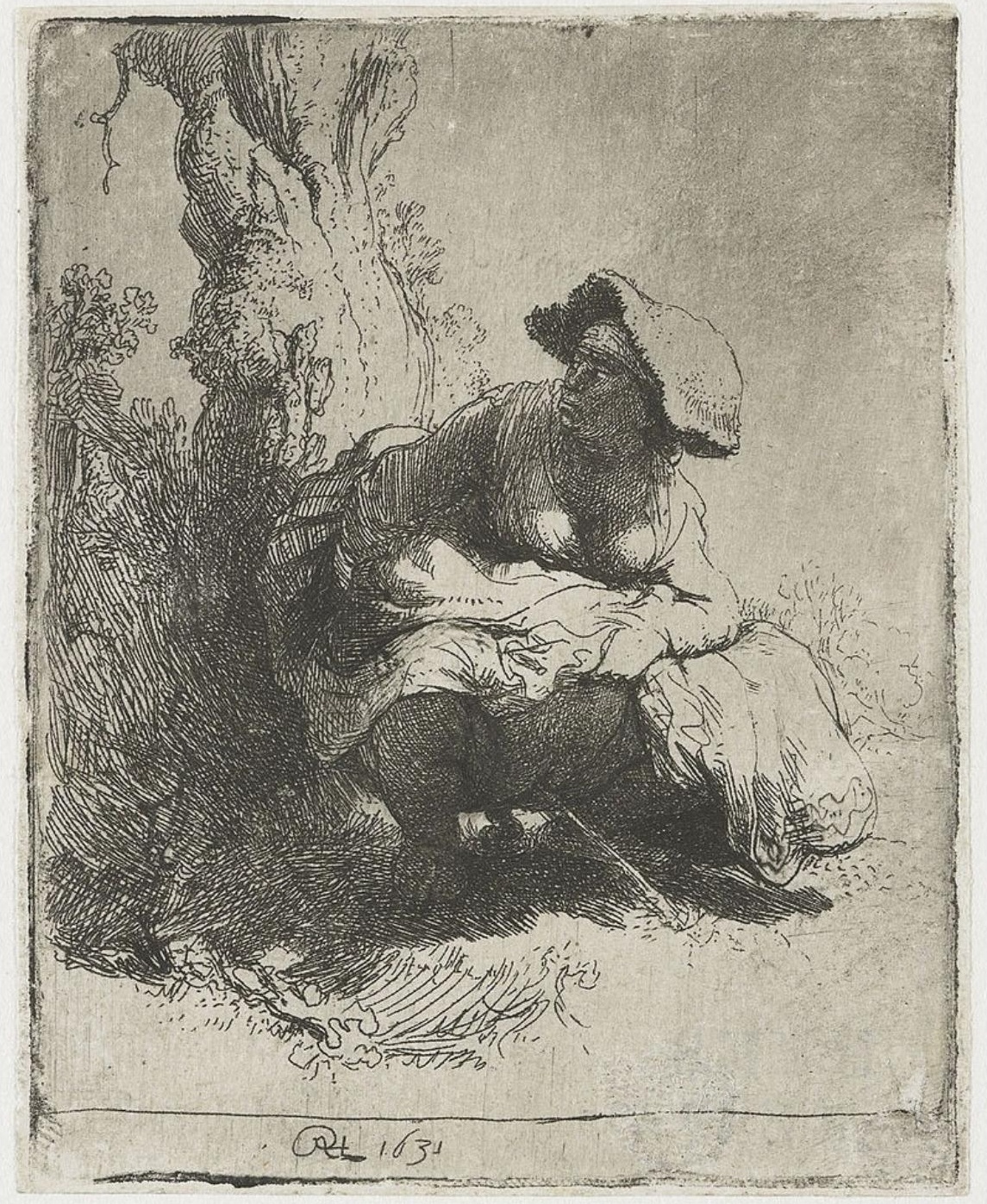
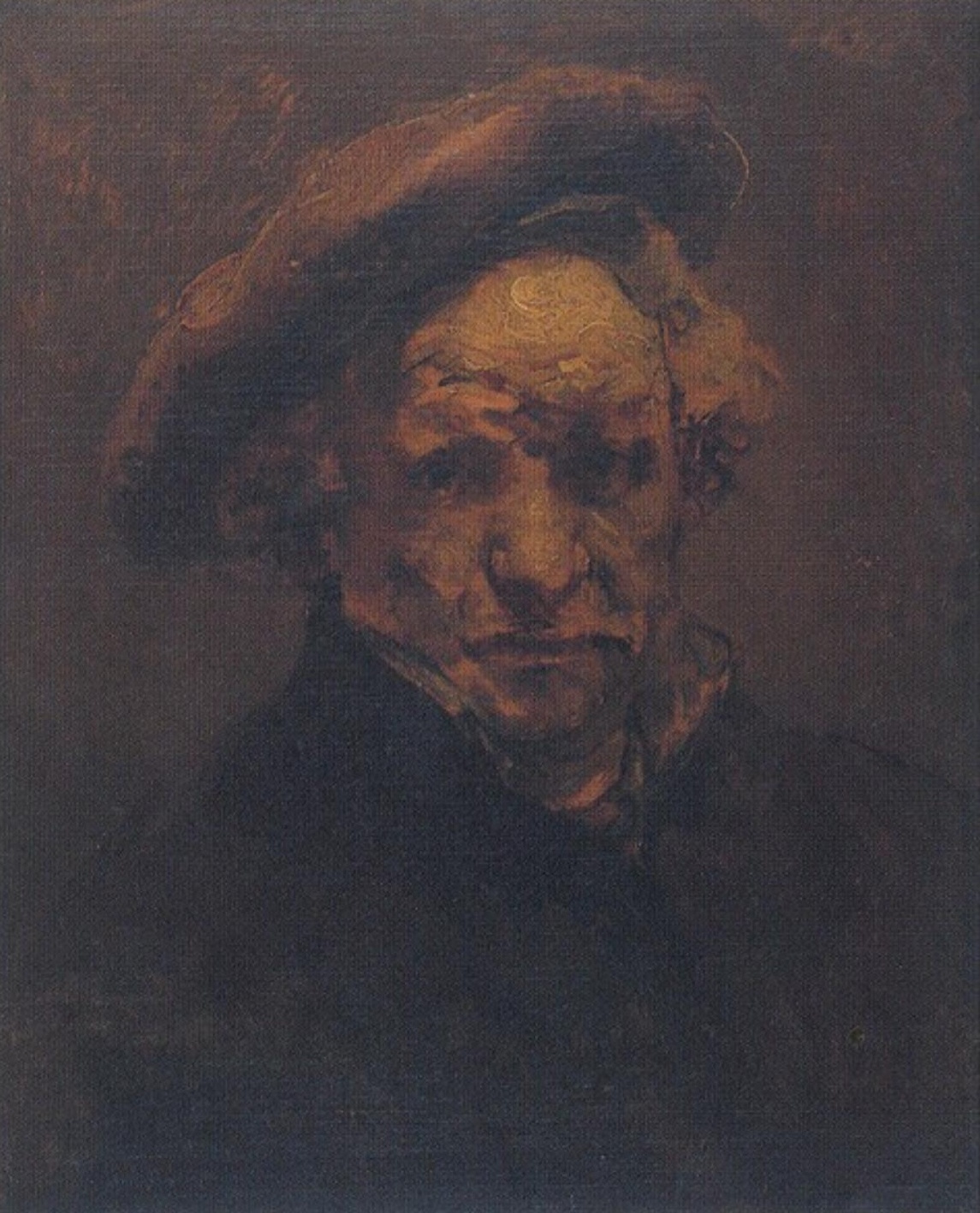
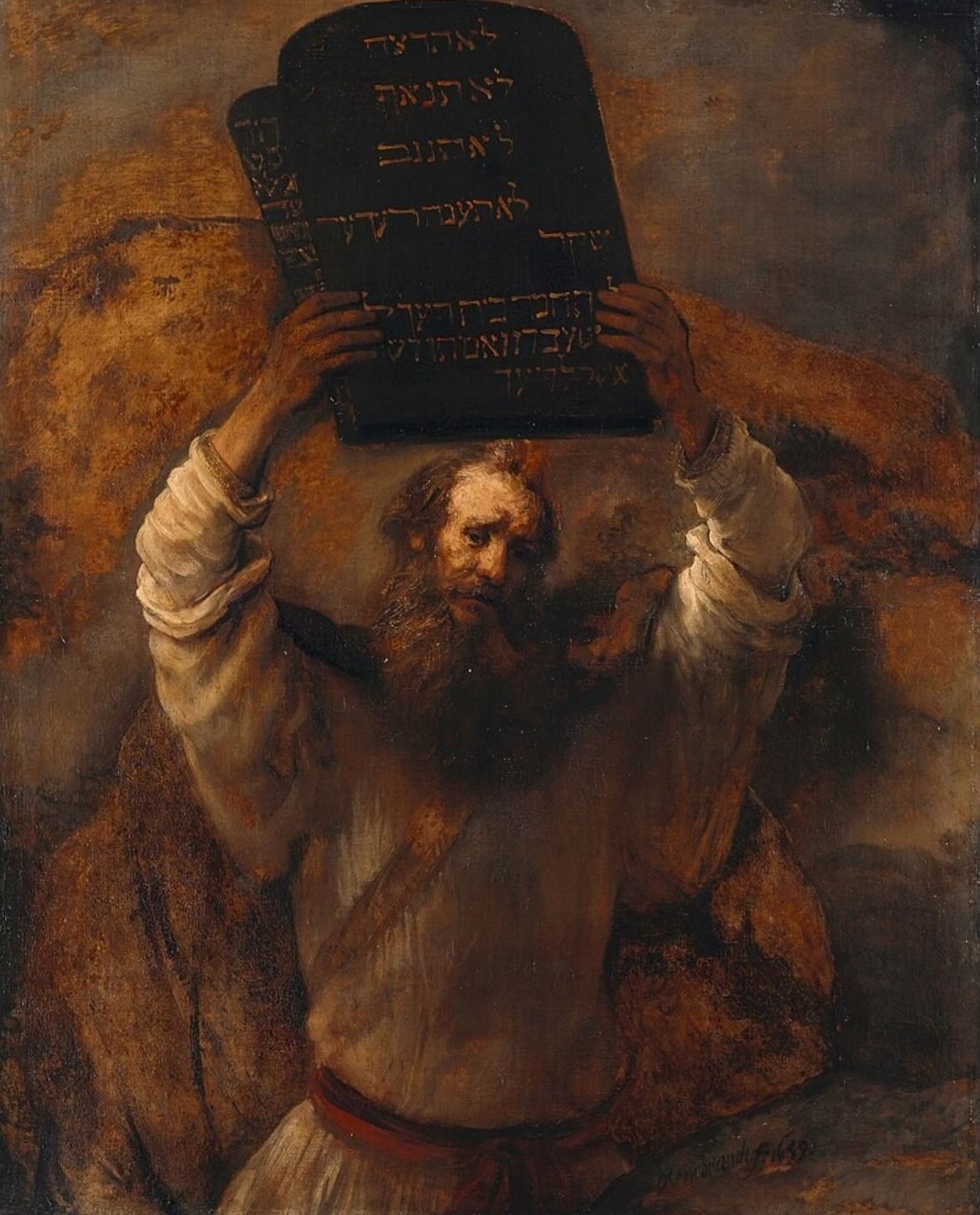
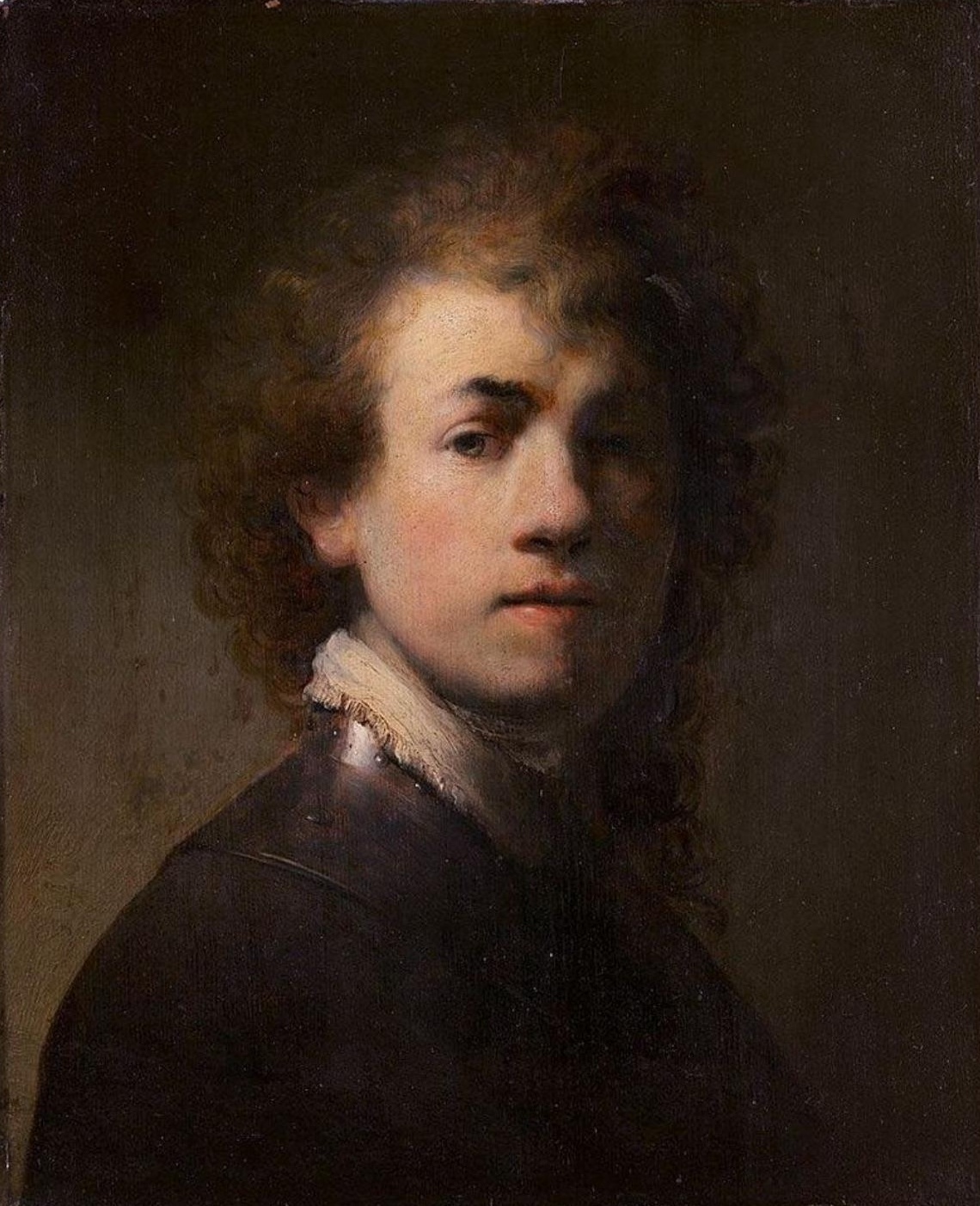
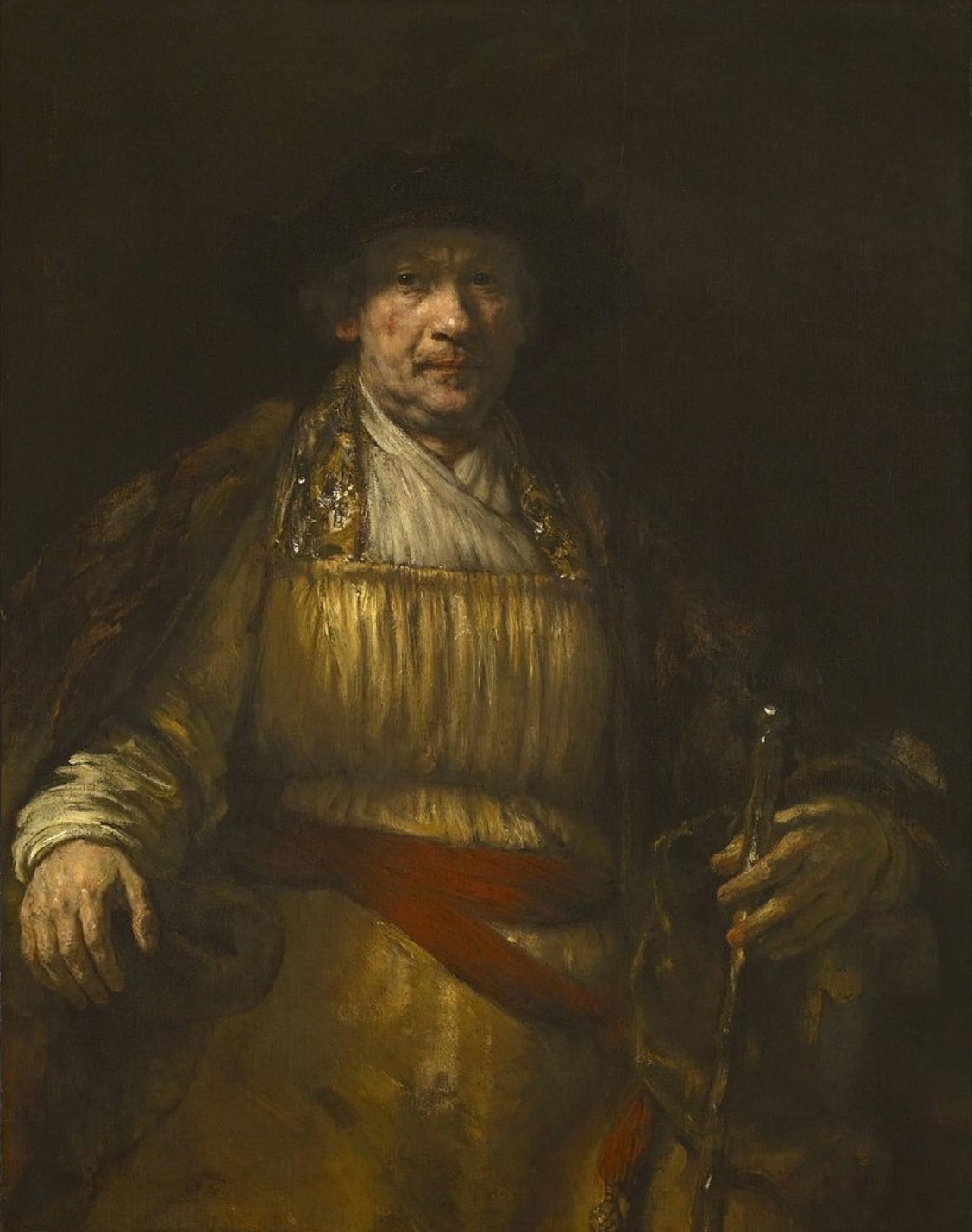
At the Musée Jacquemart-André, Patrick Liégeois invited us to look at Rembrandt not only as a painter, but as a thinker.

Trained as a jurist, with a doctorate in philosophy and a specialism in Heidegger, he sheds light on the Dutch master’s work through a fundamental question: is art’s vocation to represent beauty, or to reveal something true about the world and our condition?

By breaking free from convention, the ideal of beauty and the demand for likeness, Rembrandt invents a painting of radical freedom. From the sublime to the obscene, from imperfect bodies to unfinished faces, nothing is excluded from his gaze. Painting no longer seeks to embellish reality: it unveils it.

An encounter at the frontier of art and philosophy, designed to prolong the experience of the works and turn the exhibition into a living space of thought.

In Rembrandt, art does not reproduce the visible: it makes visible a truth that the ordinary eye had not yet perceived.

Conference slideshow

Diapositive 1 · Rembrandt, philosophe du pinceau
Diapositive 2 · Rembrandt, philosophe du pinceau
Diapositive 3 · Rembrandt, philosophe du pinceau
Diapositive 4 · Rembrandt, philosophe du pinceau
Diapositive 5 · Rembrandt, philosophe du pinceau
Diapositive 6 · Rembrandt, philosophe du pinceau
Diapositive 7 · Rembrandt, philosophe du pinceau
Diapositive 8 · Rembrandt, philosophe du pinceau
Diapositive 9 · Rembrandt, philosophe du pinceau
Diapositive 10 · Rembrandt, philosophe du pinceau
Diapositive 11 · Rembrandt, philosophe du pinceau
Diapositive 12 · Rembrandt, philosophe du pinceau
Diapositive 13 · Rembrandt, philosophe du pinceau
Diapositive 14 · Rembrandt, philosophe du pinceau
Diapositive 15 · Rembrandt, philosophe du pinceau
Diapositive 16 · Rembrandt, philosophe du pinceau
Diapositive 17 · Rembrandt, philosophe du pinceau
Diapositive 18 · Rembrandt, philosophe du pinceau
Diapositive 19 · Rembrandt, philosophe du pinceau
Diapositive 20 · Rembrandt, philosophe du pinceau
1 / 20

Diapositive 1 · Rembrandt, philosophe du pinceau